
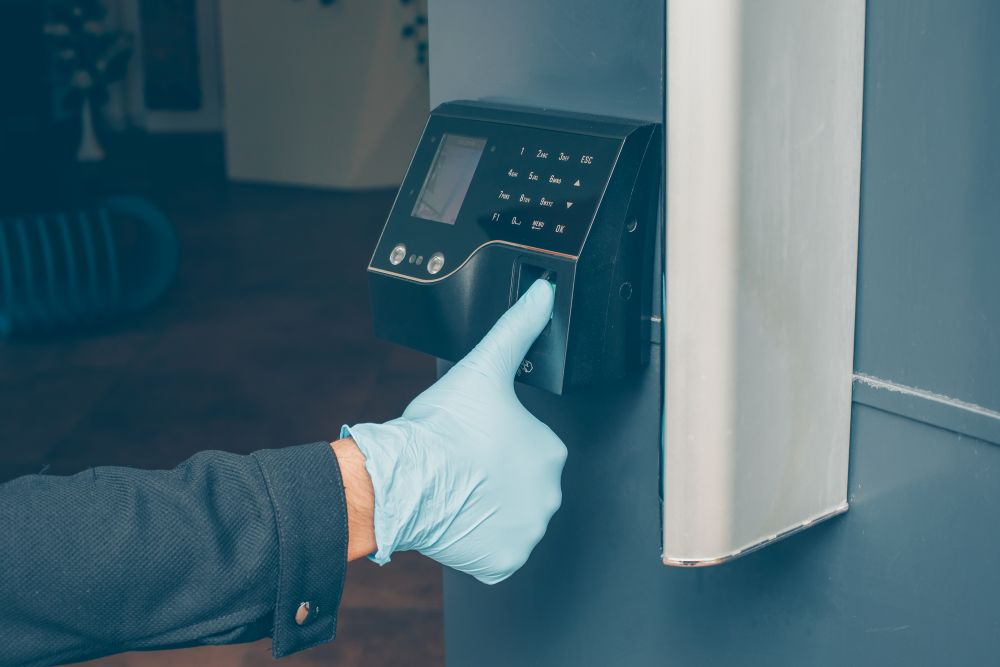
An access control system functions as a comprehensive security mechanism that regulates entry to both physical spaces and digital resources within organizations. These sophisticated systems verify user identities through various authentication methods while enforcing predetermined access policies across different security zones. Modern businesses rely on access control technology to replace traditional physical keys with electronic solutions that provide superior management capabilities and operational efficiency.
The fundamental purpose is to ensure that only authorized personnel have appropriate access to sensitive areas or information. When protecting office buildings, server rooms, or confidential databases, these systems create multiple security layers that adapt to organizational needs. Companies implementing commercial security systems in Naperville, IL often discover that electronic access management reduces security vulnerabilities while providing detailed tracking of personnel movements throughout their facilities.
How Access Control Systems Actually Work
The basic operation centers on three core processes that happen almost instantly when someone requests entry. First, the system captures credentials through readers positioned at entry points. These credentials might include proximity cards, PIN codes, fingerprints, or even facial recognition data, depending on the security requirements.
Next, the central control panel processes this information against its database of authorized users and their specific permissions. The system checks not just whether someone has access, but what level of access they should receive and during which time periods. This verification happens in milliseconds, though you may notice a brief delay when systems are processing multiple requests simultaneously.
Finally, if authorization succeeds, electronic locks release and grant entry while simultaneously logging the event. This creates an audit trail that security teams can review later for compliance purposes or incident investigations.
Essential System Components
Every access control setup relies on four primary components working in coordination. Credentials serve as the digital keys that identify individuals within the system. These range from simple RFID cards that employees tap against readers to sophisticated biometric scanners that analyze unique physical characteristics.
Readers function as the interface between users and the access control network. They capture credential data and transmit it to the central processing unit for verification. Modern readers often include LED indicators and audio feedback to clearly communicate system status.
Electronic locks replace traditional mechanical hardware at entry points. These devices receive signals from the control panel to grant or deny access based on authorization decisions. Smart locks can even provide feedback about failed access attempts or maintenance requirements.
The control panel represents the brain of the operation, processing authentication requests, maintaining user databases, and coordinating with other security systems like cameras or alarms. Many organizations find that cloud-based control panels offer better scalability and remote management options compared to on-premise solutions.
Different Technology Options Available
Organizations can choose from several authentication methods based on their specific security requirements and budget considerations. Proximity cards remain popular because they’re cost-effective and easy to manage, though they can be lost or stolen relatively easily.
Smart cards provide higher security levels by storing encrypted data and supporting multiple applications on a single credential. These cards often integrate with employee ID badges and can handle both physical access and computer network authentication.
Biometric systems offer the highest security since they rely on unique physical characteristics that can’t be easily replicated or transferred. Fingerprint scanners are most common, but iris recognition and facial analysis technologies are becoming more accessible as costs decrease.
Some facilities now implement mobile credentials that turn smartphones into access devices. This approach appeals to tech-savvy workforces and reduces the administrative burden of managing physical cards, though it requires careful consideration of device security policies.
Key Benefits for Organizations
Security improvements represent the most obvious advantage, but access control systems deliver value in several other areas that organizations might not initially consider. Real-time monitoring capabilities allow security teams to track personnel movements and identify unusual patterns that could indicate security concerns.
Administrative efficiency increases significantly since managers can grant or revoke access permissions electronically rather than physically collecting and redistributing keys. This becomes particularly valuable for organizations with high employee turnover or complex facility layouts.
Compliance requirements in many industries mandate detailed access logging and audit trails. Electronic systems automatically generate these records without requiring manual intervention from security staff. Insurance companies also recognize the risk reduction these systems provide and may offer premium discounts for businesses that implement comprehensive access control.
Integration possibilities with existing security infrastructure create synergies that enhance overall protection. Access control events can trigger camera recordings, send notifications to security personnel, or even adjust lighting and HVAC systems based on occupancy patterns.
Planning Your Implementation
Successful deployment requires careful assessment of your organization’s specific security needs and operational requirements. Start by mapping all entry points that require control, including main entrances, sensitive areas like server rooms or executive offices, and any exterior access points.
User classification becomes critical during planning since different employee groups will need different access levels. Consider factors like job responsibilities, work schedules, and temporary access requirements for contractors or visitors. The system should accommodate these varying needs without creating administrative complexity.
Budget considerations should account for both initial installation costs and ongoing operational expenses. While biometric systems offer superior security, they might not be cost-effective for every access point in your facility. Many organizations find success with a tiered approach that uses high-security methods for sensitive areas and standard proximity cards for general access.
Technical integration requirements deserve attention early in the planning process. Determine how the access control system will connect with your network infrastructure, whether you need on-premise or cloud-based management, and how it will coordinate with existing security cameras or alarm systems.
Current Trends Shaping the Industry
Artificial intelligence is transforming how access control systems analyze and respond to security events. Modern systems can learn normal behavior patterns for individual users and flag unusual access attempts that might indicate security threats or compromised credentials.
Mobile technology continues expanding its role in access control applications. Employees increasingly expect to use their smartphones for facility access, and organizations appreciate the convenience of remote credential management and temporary access provisioning.
Cloud-based management platforms are gaining traction because they offer scalability and reduced maintenance requirements compared to traditional on-premise systems. Organizations with multiple locations particularly benefit from centralized management capabilities that cloud solutions provide.
Zero-trust security principles are influencing access control design, with systems now providing more granular control over user permissions and requiring continuous verification rather than single-point authentication. This approach assumes that threats can come from inside the network and adjusts security measures accordingly.
Access control technology will likely continue evolving toward more sophisticated authentication methods and tighter integration with other security systems, creating comprehensive security ecosystems that protect organizations more effectively than isolated solutions.
Contact Us
Looking for professional commercial security solutions, such as video surveillance, access control, or alarm systems? Umbrella Security Systems provides tailored security technology and integration services for businesses across the Chicago area.
Location: 4001 W Devon Ave, Suite 25, Chicago, IL 60646, United States
Phone: (630) 301-1373
Email: info@umbrellatech.co
Hours: Open 24 Hours
Website: umbrellasecurity.com/get‑in‑touch/
Ready to secure your business?
- Contact Umbrella Security Systems. Call, email, or fill out the form to get expert help with your security needs.
Related Topics: