
Access control systems have become a go-to solution for businesses looking to tighten security and simplify entry management. These systems use biometric authentication, encryption, and keyless entry to keep unauthorized people out. For companies investing in commercial security systems, access control offers customizable permissions, real-time monitoring, and smooth integration with existing setups. This post covers the main benefits of access control, from security upgrades to remote management options. Understanding how these systems work can help you decide if they’re the right fit for your business.
Enhanced Security Measures
Biometric authentication takes access control security to another level. By using unique biological traits like fingerprints, facial recognition, or iris scans, you make sure only authorized people can get in. Biometric authentication beats traditional methods like keycards or passwords since it’s way harder to copy or steal someone’s biometric data. This extra layer of protection cuts down the risk of unauthorized access and strengthens your overall system security. Biometric authentication also makes things easier for employees; there is no need to carry extra cards or remember complicated passwords.
Convenient Keyless Entry Options
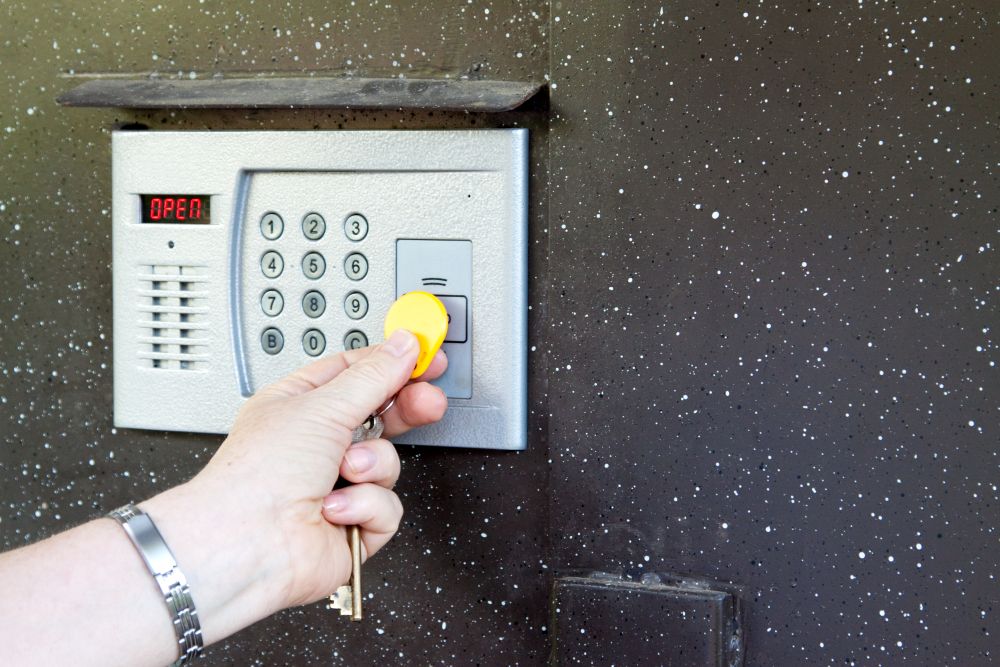
Keyless entry simplifies access control by eliminating physical keys or cards, improving the user experience and operational efficiency. Here’s what keyless entry brings to the table:
- Stronger Security: Uses advanced encryption methods to protect data.
- More Flexibility: Enables remote access.
- Audit Trail: Tracks access history for security purposes.
- Integration: Connects smoothly with other security systems.
- Cost Savings: Cuts expenses tied to physical keys or cards.
These keyless options give you a more secure, flexible, and efficient approach to access control while keeping operations running smoothly.
Customizable Access Levels
Customizable access levels let you control exactly who can go where within your facility. By tailoring permissions to specific roles or individuals, organizations can tighten security and run more efficiently. This setup means you can restrict sensitive areas or information to only the people who need it, reducing potential risks. For example, high-security zones might require biometric scans, while general office spaces may only require keycard access. You can adjust access levels in real-time to respond quickly to staffing changes or security concerns. Customizable levels also help you track employee movements, providing useful data to improve workflows and ensure compliance with security protocols.
Integration With Security Systems
Connecting access control with your other security systems creates a unified setup that works better as a whole. When these systems talk to each other, you get a complete security solution. Here are the main benefits of integration:
- Real-Time Monitoring: Access control events appear alongside other security alerts as they occur.
- More Automation: Automated features sync up, making security processes faster and simpler.
- Faster Response: Connected systems let you react quicker and more effectively to security incidents.
- Data Sharing: Combined data from access control and security systems gives you a full picture of your security status.
- Easy Scaling: Integration makes it simpler to expand as your security needs grow.
Monitoring and Reporting Capabilities
Strong monitoring and reporting features are key parts of any solid access control system. With the right technology, these systems deliver real-time insights into user activity, unauthorized access attempts, and system status. Monitoring tools let security staff track access events, spot anomalies, and respond quickly to breaches. Detailed reports create full audit trails for analyzing system performance and meeting regulatory requirements. These features not only strengthen security but also make access management more efficient. With customizable reports and automated alerts, organizations can stay ahead of security concerns and fine-tune their access control strategies.
Remote Access and Control Options
Remote access and control options add flexibility and efficiency to how you manage user permissions and monitor security. Remote access lets you make real-time adjustments and keep tabs on your system, so you can respond quickly to security incidents. Advanced encryption keeps data safe during remote operations. Mobile compatibility means you can access the system from anywhere, which adds convenience for daily operations. Cloud integration enables seamless data syncing and backup, keeping your information secure. Remote access options typically include multi-factor authentication for an extra layer of security.
Related Topics: