What Are Wireless Surveillance Cameras?
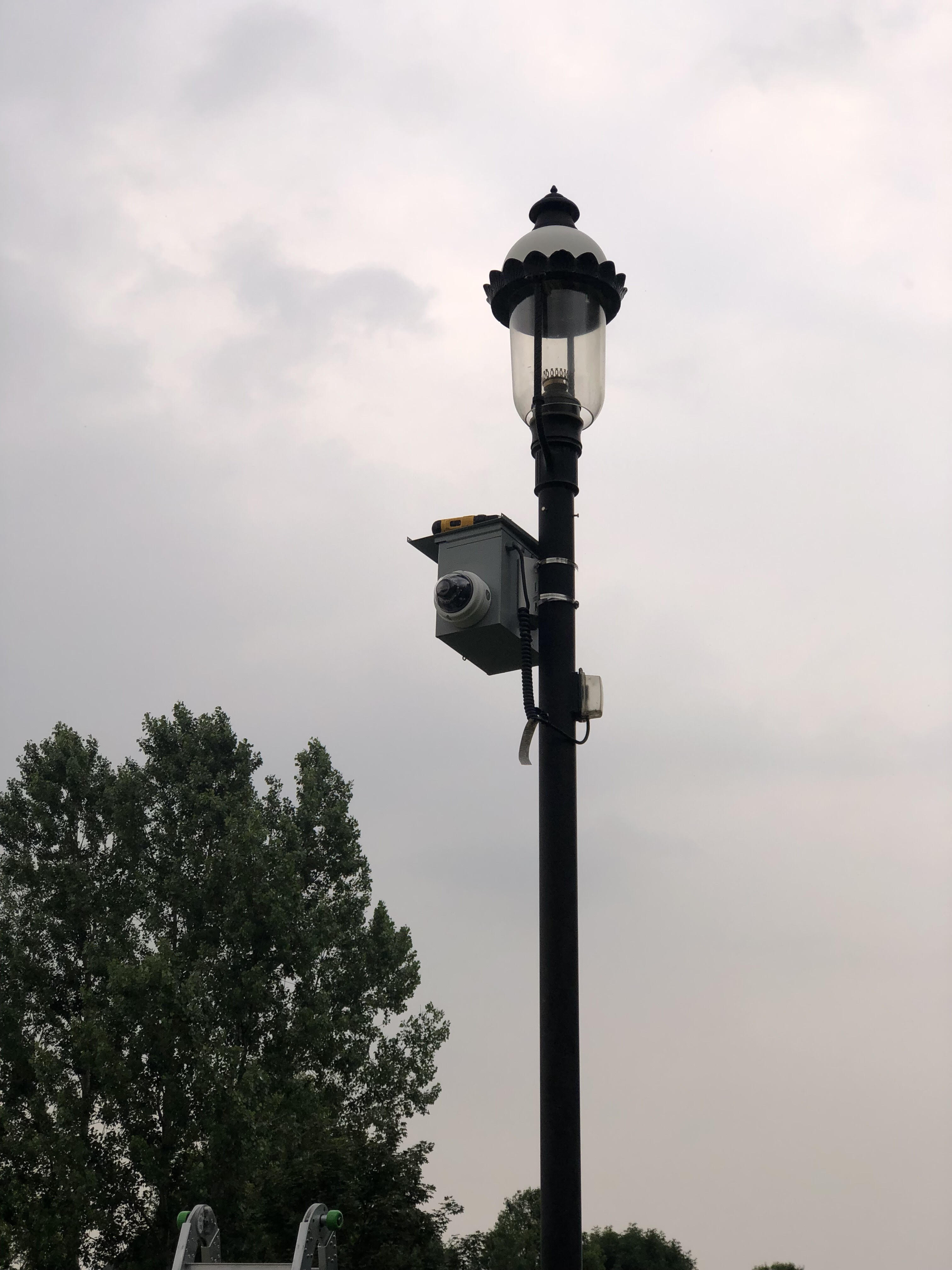
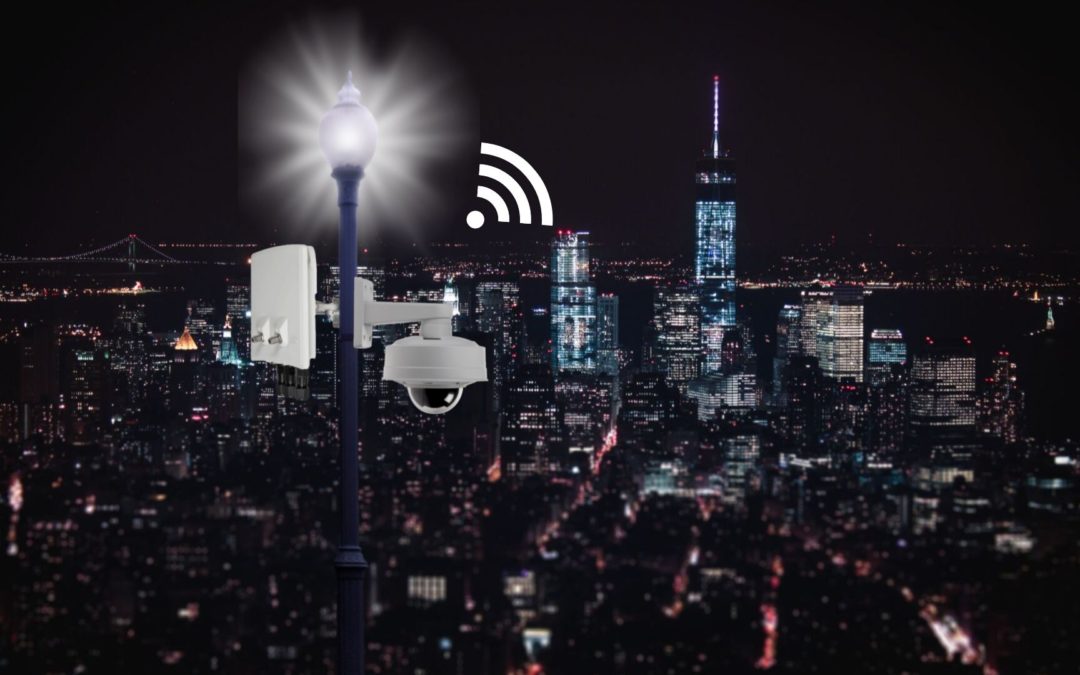
Wireless surveillance cameras transmit video data over a Wi-Fi or cellular network rather than through physical cables. This doesn’t mean they run without power — they still require a power source — but the elimination of data cables makes them dramatically easier to install, reposition, and scale. For commercial facilities, this flexibility is a significant operational advantage over traditional hardwired systems.
As an alternative to commercial security camera systems that rely on extensive cabling infrastructure, wireless cameras support unique architecture and locations where running wire simply isn’t practical — think historic buildings, large outdoor areas, or temporary event spaces.
Key Advantages of Wireless Surveillance Cameras for Business
Flexible Installation
One of the most immediate benefits is installation flexibility. Because wireless surveillance cameras do not require running cables for installation, they can be placed virtually anywhere — on exterior walls, in parking structures, across large campuses, or in areas with architectural constraints that make cabling difficult or impossible.
This also means camera installation is faster and less disruptive to your day-to-day operations. There’s no need to shut down areas of your facility for extended periods while crews run conduit through walls and ceilings.
Easy Repositioning and Scalability
Business needs change. A wireless system allows you to reposition cameras quickly as your facility evolves — new entrances, expanded floor plans, seasonal coverage needs. Maneuvering cameras quickly and installing them in optimal areas is far simpler when you’re not constrained by where cable runs exist.
Scaling up is also straightforward. Adding cameras to a wired system often means significant additional infrastructure work. With wireless, you’re largely adding devices to an existing network.
Reduced Installation Costs
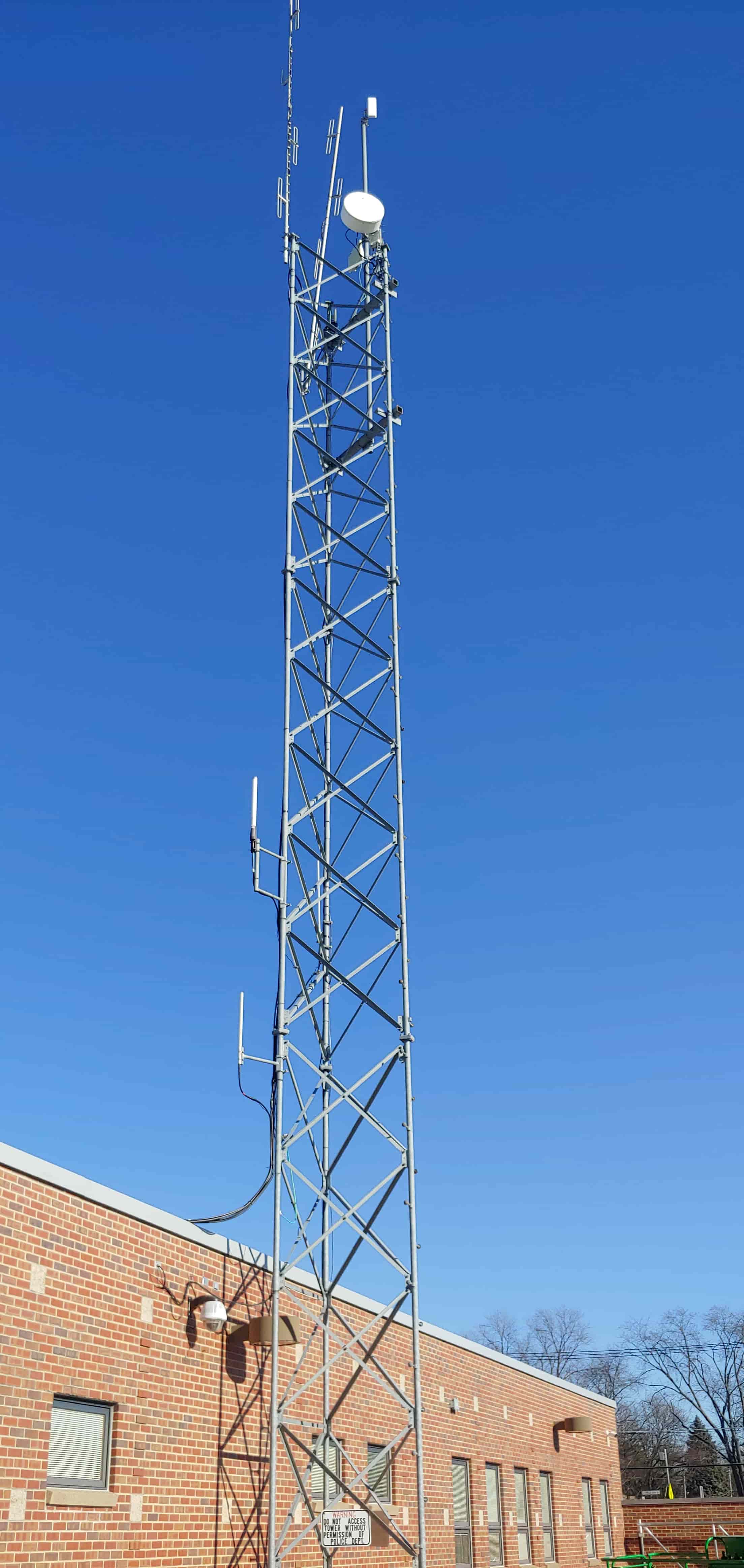
The cost savings on installation can be substantial. Traditional wired camera systems require cable per foot, labor to route and terminate it, and in outdoor or parking lot applications, the costs of cable and fiber trenching — which involves excavating the ground to lay cable and then restoring the site — can run into thousands of dollars per run.
Wireless systems eliminate most of that. Once you factor in reduced labor, no trenching, and less material cost, wireless often delivers a lower total installation cost especially for larger or multi-building facilities.
Tamper Resistance
Wired cameras have an obvious vulnerability: a criminal who spots the cable can disable the camera by cutting it. Wireless cameras remove that attack vector. Without visible wiring, implementing wireless surveillance cameras in your facility means less criminal tampering. They can also be mounted in less obvious positions since you’re not limited to locations near cable runs, making them harder to spot and disable.
Advanced Monitoring Features
Modern wireless surveillance cameras aren’t just passive recorders. Many support the implementation of motion sensors and AI-powered analytics that can detect unusual behavior, trigger alerts, and integrate with your broader security stack. When paired with an access control system, you get a coordinated response — a door forced open can automatically pull up the nearest camera feed in real time.
Many systems also support integration with air and sound detection sensors for a more comprehensive picture of what’s happening in and around your facility.
Rapid Deployment Capability
For facilities that need temporary or event-based coverage, wireless cameras enable you to create rapid deployment surveillance systems. Mobile video surveillance trailers with wireless cameras can be set up at a construction site, outdoor event, or disaster-affected area in hours — no infrastructure required. This makes them a practical choice for venues, property managers, and municipalities that need flexible, short-term coverage.
What to Consider Before Going Wireless
Wireless cameras aren’t the right fit for every scenario, and a proper evaluation matters before committing. Key considerations include:
- Network reliability: Wireless cameras depend on a stable Wi-Fi or cellular connection. In facilities with weak signal or heavy RF interference, performance can degrade. A site survey is essential.
- Cybersecurity: Any network-connected device is a potential entry point. Ensure your cameras are on a segmented network with strong authentication and firmware update protocols.
- Power source: Wireless refers to data transmission, not power. Cameras still need to be hardwired for power or run on batteries/solar — each option has tradeoffs for placement and maintenance.
- Coverage requirements: For high-density interior environments where cable runs are straightforward, wired may still be more reliable. Wireless shines most in large outdoor areas, multi-building campuses, and locations with structural constraints.
The best starting point is a professional security assessment to identify where wireless cameras add the most value for your specific facility.
Industries That Benefit Most
Wireless surveillance cameras are particularly well-suited for:
- Educational institutions — Large campuses with parking lots, athletic fields, and multiple buildings are ideal for wireless. See how we approach school security systems for more on campus-specific considerations.
- Retail and hospitality — High foot traffic areas, loading docks, and parking structures benefit from flexible camera placement without disruptive cabling work.
- Construction and industrial sites — Temporary deployments and locations without established infrastructure are a natural fit for wireless.
- Multi-tenant commercial buildings — Common areas, lobbies, and exterior perimeters can be covered without coordinating cable runs through occupied spaces.
Frequently Asked Questions
Do wireless surveillance cameras work without internet?
Some do. Cameras that store footage locally on an SD card or NVR can function without an internet connection, though remote viewing and cloud storage require connectivity. For most commercial applications, a local network (not necessarily internet access) is sufficient for live monitoring and recording.
Are wireless cameras less reliable than wired?
In well-designed deployments, reliability is comparable. The key is proper network infrastructure — adequate Wi-Fi coverage, minimal interference, and a wired power source. Reliability issues usually stem from poor planning, not the technology itself.
How many wireless cameras can I run on one network?
This depends on your network bandwidth and the cameras’ resolution. A typical commercial Wi-Fi network can handle 10–20 cameras before bandwidth becomes a constraint. For larger deployments, a dedicated security network with enterprise-grade access points is recommended.
Can wireless cameras integrate with access control or alarms?
Yes — modern wireless cameras integrate with access control, intrusion alarms, and other security systems through VMS (video management software) platforms. This is what enables automated responses like triggering a camera recording when a door alarm fires.
Wireless surveillance projects require careful planning to deliver consistent, reliable coverage. As professional security integrators with extensive commercial experience, Umbrella Security Systems designs wireless camera systems around your facility’s specific needs — not a one-size-fits-all package. Get in touch to discuss what a wireless solution would look like for your business.
Solar Power
Electrical Power
Battery Power

Excess Time & Labor Rates
Running Cable & Fiber
Land Destruction & Restoration