
Commercial Security Camera Installation Cost
Most businesses underestimate business camera system pricing because they compare professional installations to consumer-grade DIY kits. Real project cost is driven by building layout, coverage goals, footage retention, and the labor required to install a system correctly.
This guide covers realistic budget ranges for 2, 4, and 8-camera systems, the variables that move a quote the fastest, and why storage, infrastructure, and Chicago-area installation conditions matter more than most buyers expect.
What this page helps you answer
- How much a small commercial system usually costs
- Why professional systems cost more than consumer cameras
- What affects pricing the most on a business installation
- How storage, retention, and future growth shape the budget
- Whether commercial camera work can legally be installed without the right credentials in Illinois
Professional Installation vs. DIY Camera Pricing
Business systems are not just "more cameras." They are infrastructure projects that include design, recorder hardware, storage, wiring, network equipment, labor, and planning for future growth.
Why business systems cost more
Plain-English takeaway
A commercial camera project is an installation job, not a gadget purchase. That is why business surveillance pricing is meaningfully higher than something you grab off the shelf at a retail store.
If your facility needs a professional layout, cabling, mounting, aiming, and system testing, review Umbrella's commercial security camera installation service for Chicago-area businesses.
Installed Cost Ranges by System Size
These are planning ranges for fully installed systems. Final pricing varies based on building type, cable paths, mounting conditions, retention requirements, and labor difficulty.
2-Camera System
$2,500 – $5,500Typical fit: small office, reception, or limited entry-point coverage
- Often includes recorder, cabling, setup, and standard mounting hardware
- Can increase when cameras are outdoors or cable runs are difficult
- A useful starting point for small commercial planning
4-Camera System
$5,000 – $9,500Typical fit: office suite, storefront, or interior-exterior mix
- Common for small businesses that need meaningful coverage, not minimal coverage
- Price moves fast when conduit, outdoor work, or specialized camera types are involved
- Storage retention and recorder sizing matter more at this level
8-Camera System
$9,000 – $18,000+Typical fit: warehouse, exterior perimeter, yard, or larger property
- Often involves longer cable routes and higher storage requirements
- Parking lots, pole mounts, warehouse ceilings, and night coverage can raise cost materially
- A practical benchmark for mid-size business system budgeting
What Businesses Actually Experienced
Pricing matters, but buyer confidence usually comes from real-world results. These examples show the kinds of outcomes commercial clients valued after installation: responsiveness, clean execution, support, and long-term usability.
14,000 sq. ft. Facility Security Project
40,000 sq. ft. Chicago Gym Camera System
Watch Real Umbrella Case Studies
These video cards use lightweight thumbnails first and load the YouTube player only after a click, which keeps the page faster while still letting visitors watch without leaving.
Italian Village Case Study
See how a historic Chicago restaurant environment was approached with security planning that fit operations and guest experience.
Elegant Packaging Case Study
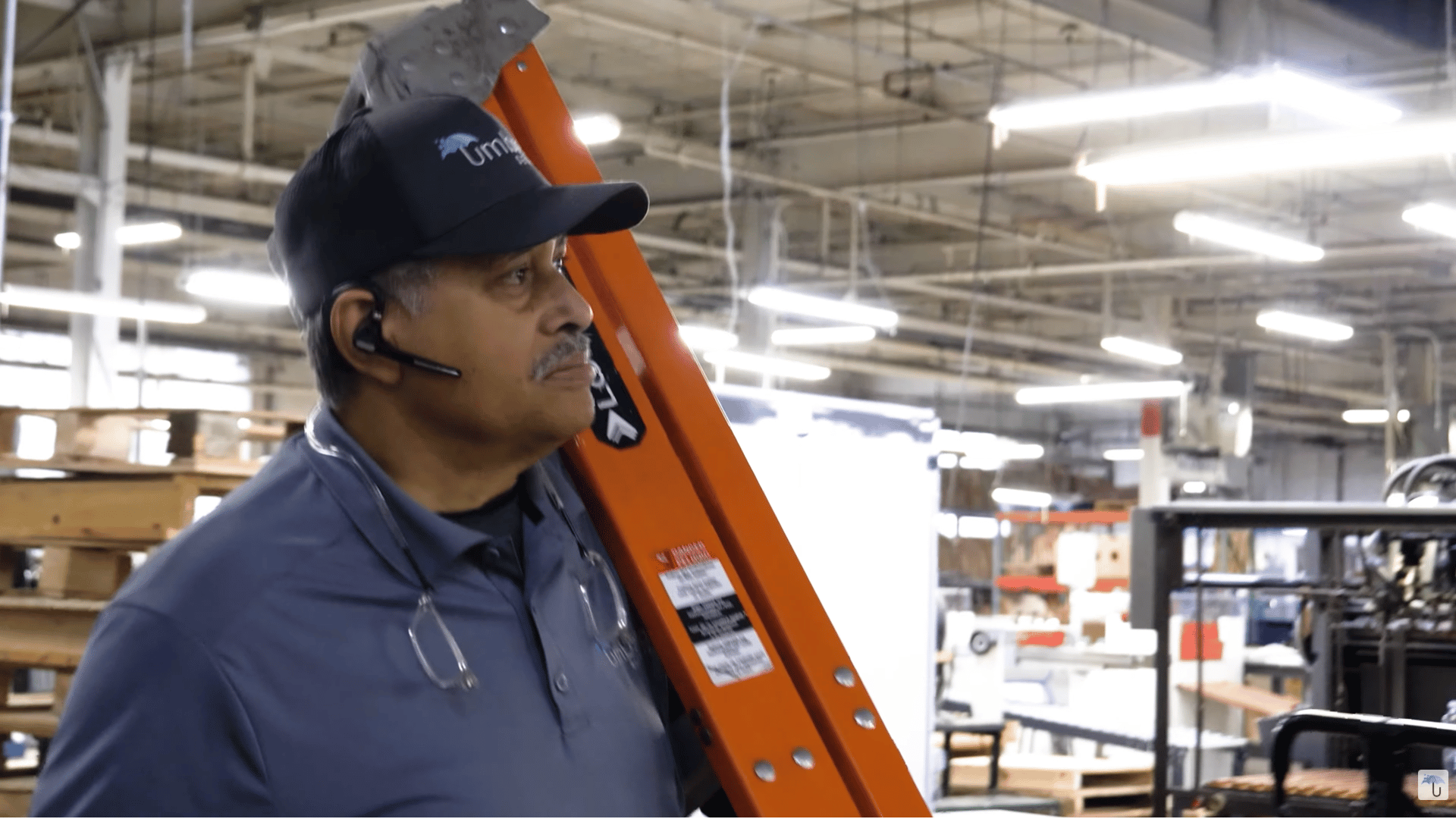
Manufacturing-focused system design with integrated video, access control, and operational visibility in a live commercial environment.
Laundromat Case Study
Watch a real-world facility example that shows how installation, layout planning, and support can translate into a clear business outcome.
Why Pricing Is Shifting in 2026
Installed surveillance pricing in 2026 is being influenced more by storage, retention, and long-term expansion planning than many buyers expect.
Storage and infrastructure matter more than most buyers expect
Camera pricing may look stable at a glance, but total system cost can shift when a project needs more recording time, more storage capacity, or a design that leaves room to scale.
The practical issue is simple: video footage takes real storage, and systems with longer retention periods or higher image quality need more recorder capacity and more careful planning than they did just a few years ago.
What this means for your project
If your business wants 30 to 90 days of video retention, cloud-connected storage, or room to add cameras later, storage becomes one of the most important cost variables in the whole project.
That does not mean every camera price is surging. It means storage and infrastructure deserve more attention in the budget conversation than many buyers assume.
What Most Businesses Get Wrong About Camera Costs
Businesses usually lose time or budget when they price the wrong thing instead of the full installation.
Comparing business systems to DIY kits
Consumer cameras are not built around real commercial coverage, storage, or installation realities.
Ignoring installation complexity
Ceilings, walls, conduits, lifts, and exterior mounting often change labor faster than buyers expect.
Underestimating storage requirements
Retention periods, recorder sizing, and image quality directly affect system cost and future flexibility.
Not planning for future growth
A system that barely fits today can become more expensive tomorrow if there is no room to expand.
What Affects the Final Quote?
The final quote is usually shaped more by installation complexity than by camera count alone. A simple "price per camera" number is rarely useful on its own.
Cost depends heavily on the design of the commercial security camera systems being installed, including camera type, placement, recording method, remote access, retention needs, and integrations.
Installation Complexity
Camera Type
Mounting Environment
Recorder, Storage, and Network Infrastructure
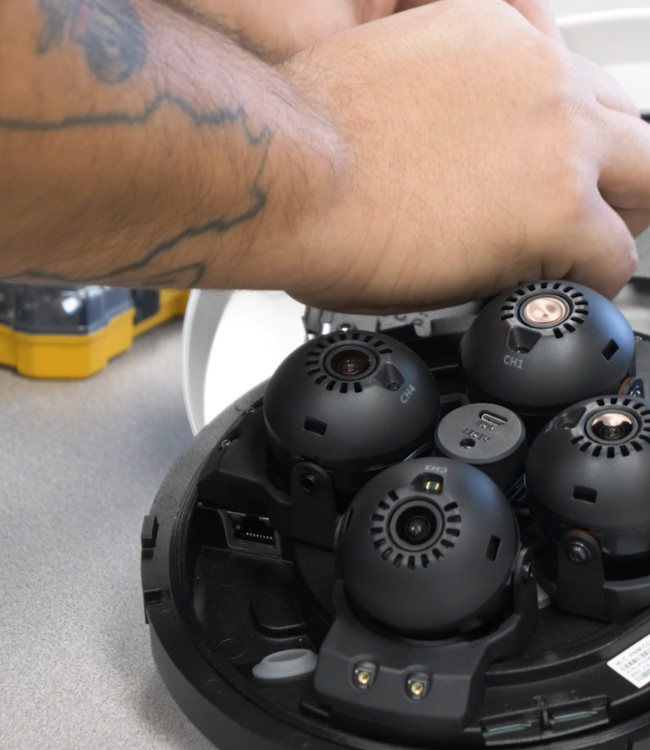

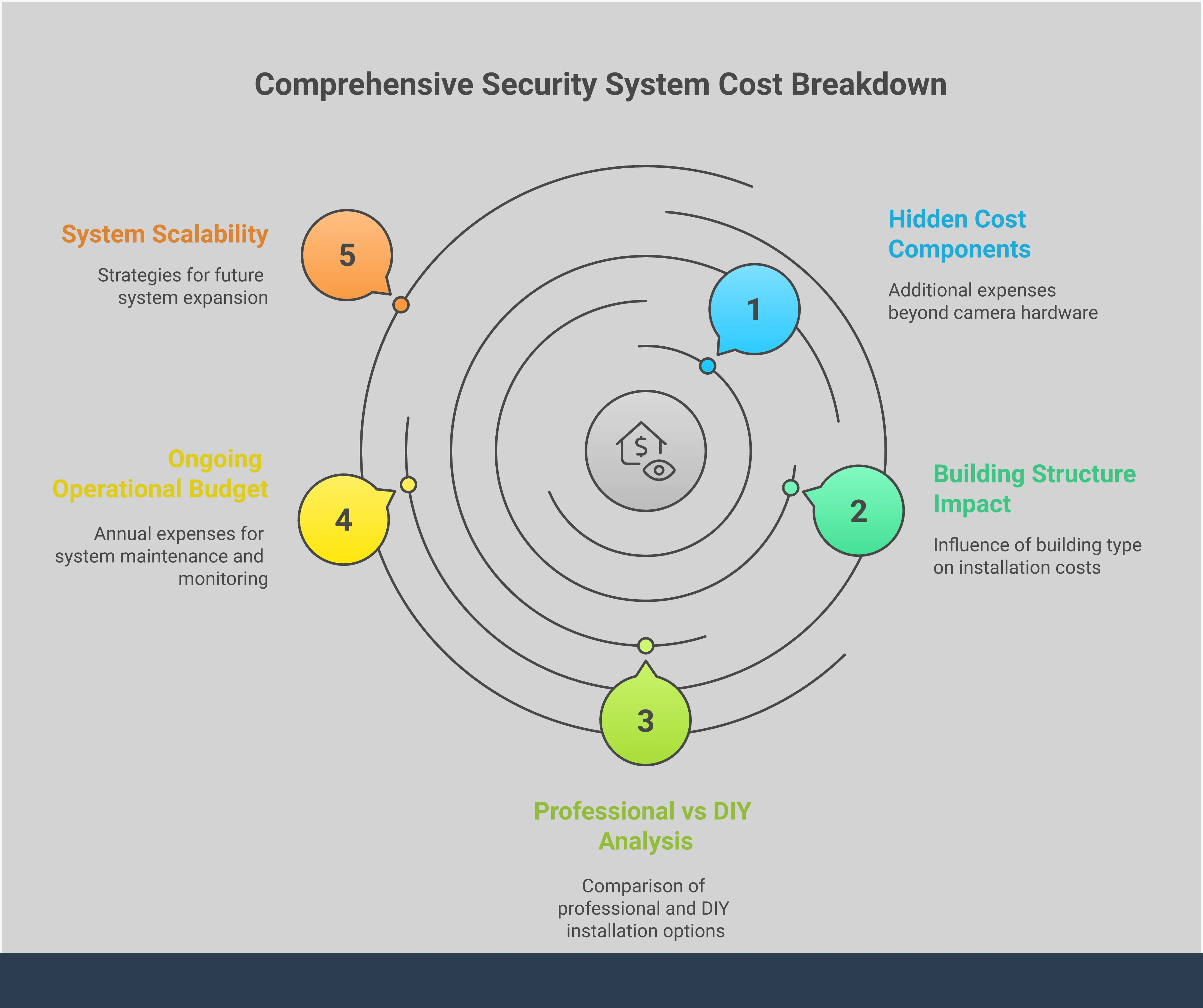
These ranges reflect real-world pricing for small to mid-sized business environments, not consumer camera bundle pricing.
Authority, Compatibility, and Compliance
Commercial buyers do not just need cameras installed. They need systems that are reliable, supportable, and appropriate for real business use.
Commercial-grade manufacturers matter
Commercial-grade systems from manufacturers such as Axis, Hanwha, and Uniview are commonly used in business environments because reliability, support, and ecosystem compatibility matter over time.
Many buyers also care about interoperability. ONVIF profiles help provide a standard framework for compatibility among conformant products, which is useful when planning recorder, camera, and software choices across a system lifecycle.
Illinois legal context matters too
In Illinois, business surveillance work sits inside the state's alarm professions framework. If a project could involve biometric workflows such as face-geometry scanning, buyers should think beyond hardware and installation and confirm legal obligations early.
That is another reason a business system should be planned like infrastructure, not purchased like a simple gadget bundle.
For Illinois licensing context, review the Illinois Department of Financial and Professional Regulation alarm professions page. For interoperability guidance, see ONVIF profiles. For Illinois biometric law context, review the Illinois biometric law text.
The Installation Process
Most projects require a walkthrough to price accurately. This is the typical process after a proposal is approved.
For a detailed look at what professional commercial security camera installation involves — from cabling to commissioning — see our Chicago installation guide.
Deposit
Collect the deposit before equipment ordering or scheduling so the project is secured and committed.
Equipment Order
Order equipment and confirm current lead times across all required parts.
Lead-Time Review
Track estimated arrival windows so scheduling is based on real material availability.
Schedule Install
Set the start date based on equipment readiness, crew availability, and job complexity.
Pre-Install Meeting
Walk the site, confirm scope, validate camera locations, and make final adjustments before installation starts.
Chicago Factors That Can Change Cost
Chicago-area installations can vary based on building type, labor conditions, weather exposure, and access complexity.
Older Buildings
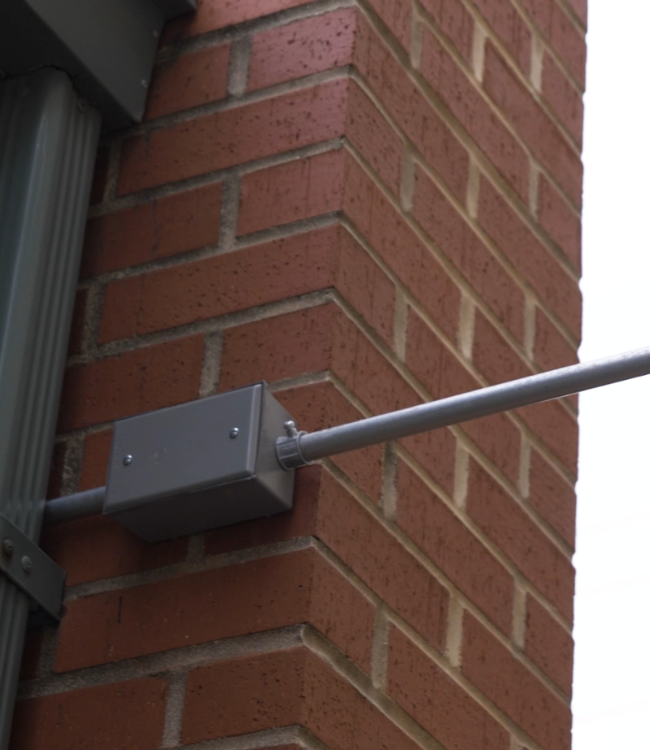
Historic construction, masonry, thick walls, and difficult access points can raise labor because cable paths are less forgiving than in newer office construction.
Exterior Conditions
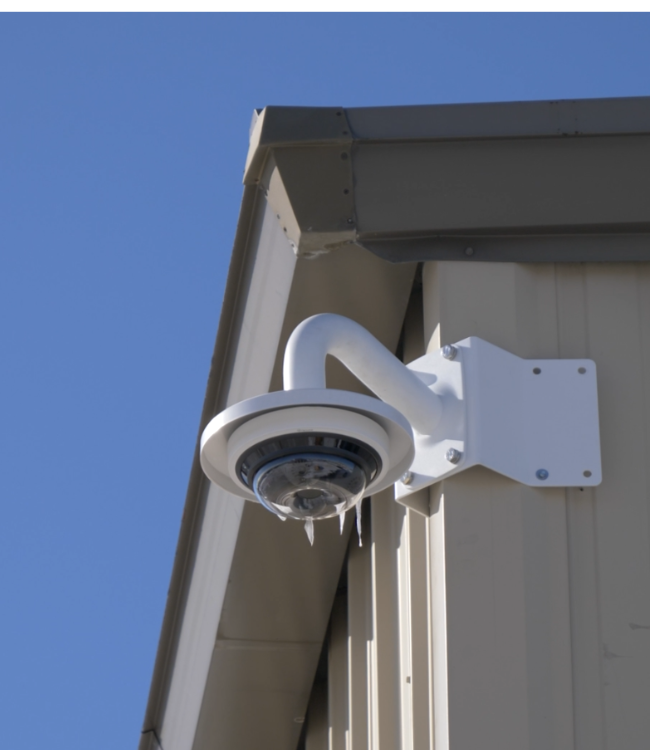
Outdoor systems must be designed for Chicago weather, especially when protecting parking lots, yards, entrances, and loading areas.
Project Coordination
Scheduling, access windows, and multi-tenant buildings can all affect timing and installation flow in occupied commercial properties.
Frequently Asked Questions
These questions address common concerns commercial buyers usually ask before requesting a walkthrough or proposal.
Why is there no simple price-per-camera for a commercial installation?
Because the biggest cost variable is usually not the camera itself. Labor, cable paths, exterior work, lift access, storage requirements, and building conditions can all change the final quote substantially.
Can I install a business security camera system myself?
No. In Illinois, business security camera installation falls under the state's alarm professions framework. Companies should be properly licensed, and employees typically need the appropriate registration credentials.
What license do you need in Illinois to install security cameras for businesses?
Illinois regulates these activities through IDFPR alarm professions. Relevant categories include Licensed Private Alarm Contractor Agency, Private Alarm Contractor, and Permanent Employee Registration Card (PERC). If a system uses biometric workflows such as face-geometry scanning, additional legal review may also be needed under Illinois biometric law.
How much does it cost per camera for a business system?
There is no honest flat rate per camera because installed pricing depends on labor, wiring, storage, mounting conditions, and recorder design. A two-camera system and an eight-camera system can have very different infrastructure needs.
What is included in commercial camera installation?
Commercial installation can include camera hardware, recorder hardware, hard drives, cabling, mounting hardware, switches, network setup, camera positioning, programming, testing, and project labor.
Why are commercial systems more expensive than consumer cameras?
Because commercial systems include recorder hardware, storage, professional installation, cabling, network equipment, and design work for business coverage. You are buying an installed security system, not just a box of cameras.
Are security camera system prices increasing in 2026?
In some cases, yes. Camera hardware may look relatively stable, but total project cost can rise when a system needs more storage, longer retention periods, or infrastructure designed to scale.
How long does installation take?
Many small business systems can be installed in one to three days, while larger or more complex projects may take longer depending on equipment lead times, building conditions, lift work, and scope.
Illinois buyers should confirm current licensing and legal requirements directly with the state before relying on any summary on a webpage, especially when a system could involve facial recognition, face geometry, or other biometric processing.
Related Resources
Explore these related pages if you want to compare equipment options, installation scope, and broader commercial system planning.
Commercial Security Camera Systems
Explore camera types, evidence quality, and surveillance design considerations for business environments.
View the solution page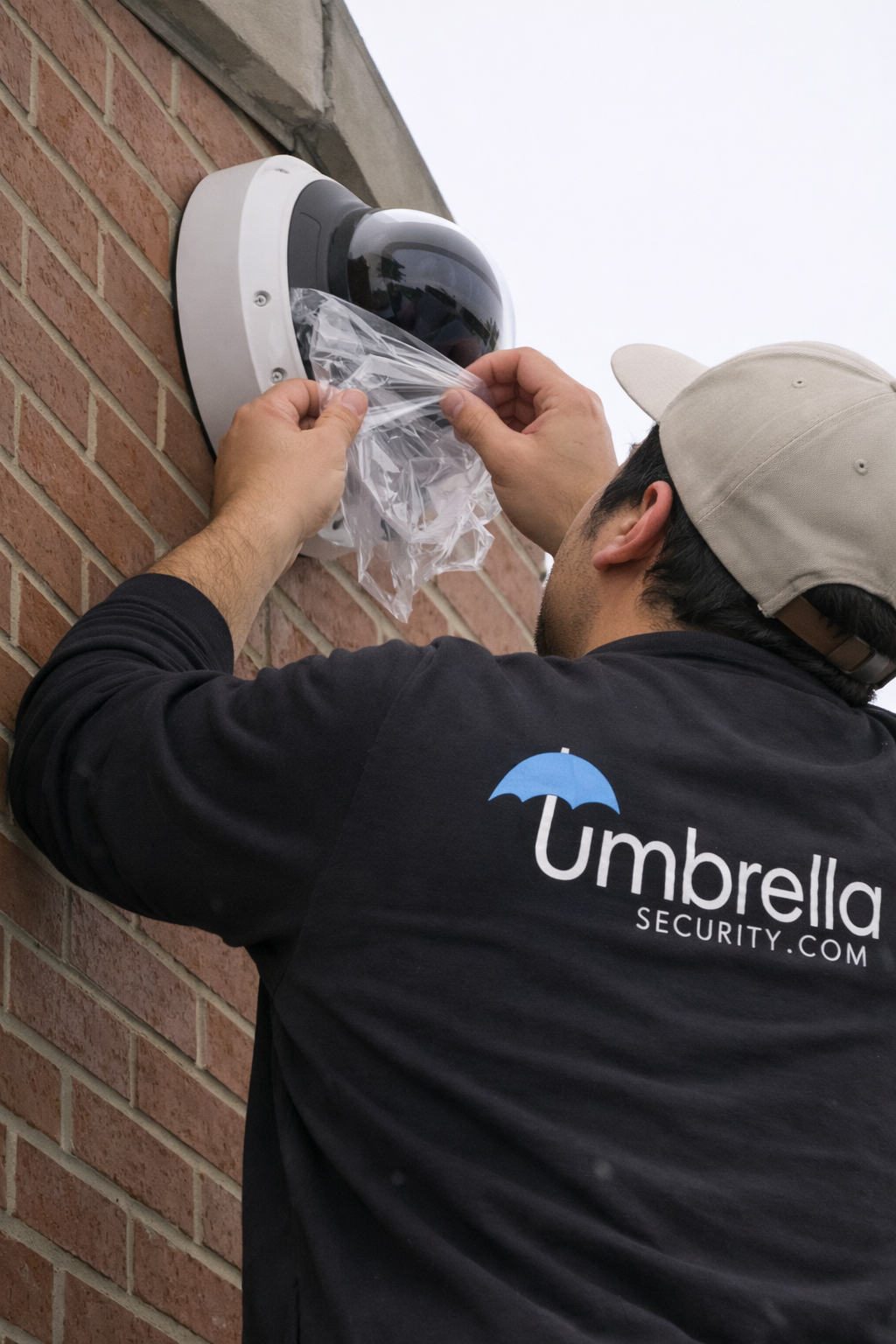
Commercial Security Camera Installation Chicago
See Umbrella's installation-focused service page for Chicago businesses that need engineered video surveillance, not just camera installers.
View the installation page
Access Control and Video Integration
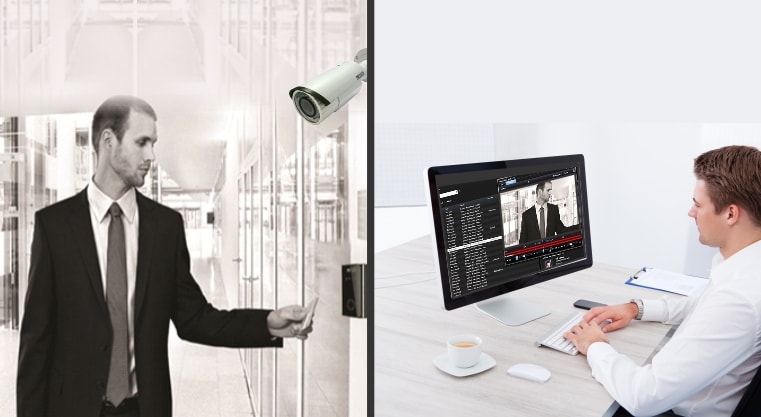
Review how cameras, access control, and software integration work together when a site needs more than basic video coverage.
Visit the overview pageGet a Site-Specific Quote for Your Business
Most projects require a walkthrough to price accurately. The only honest way to budget a business camera system is to look at the building, the coverage goals, the installation environment, and the storage requirements together.
- Site-specific pricing based on your building and scope
- Guidance on camera type, coverage, and storage retention
- Clear expectations on labor, equipment, and next steps