
How Wilmington Modernized Police and City Hall Security Without Disrupting Operations
After a formal public procurement process, the City of Wilmington selected Umbrella Security Systems to modernize video surveillance and electronic access control across the Wilmington Police Department and City Hall.
The project replaced aging and unreliable infrastructure at the Police Department, established a complete new security environment at City Hall, and transitioned both facilities without taking essential municipal operations offline.
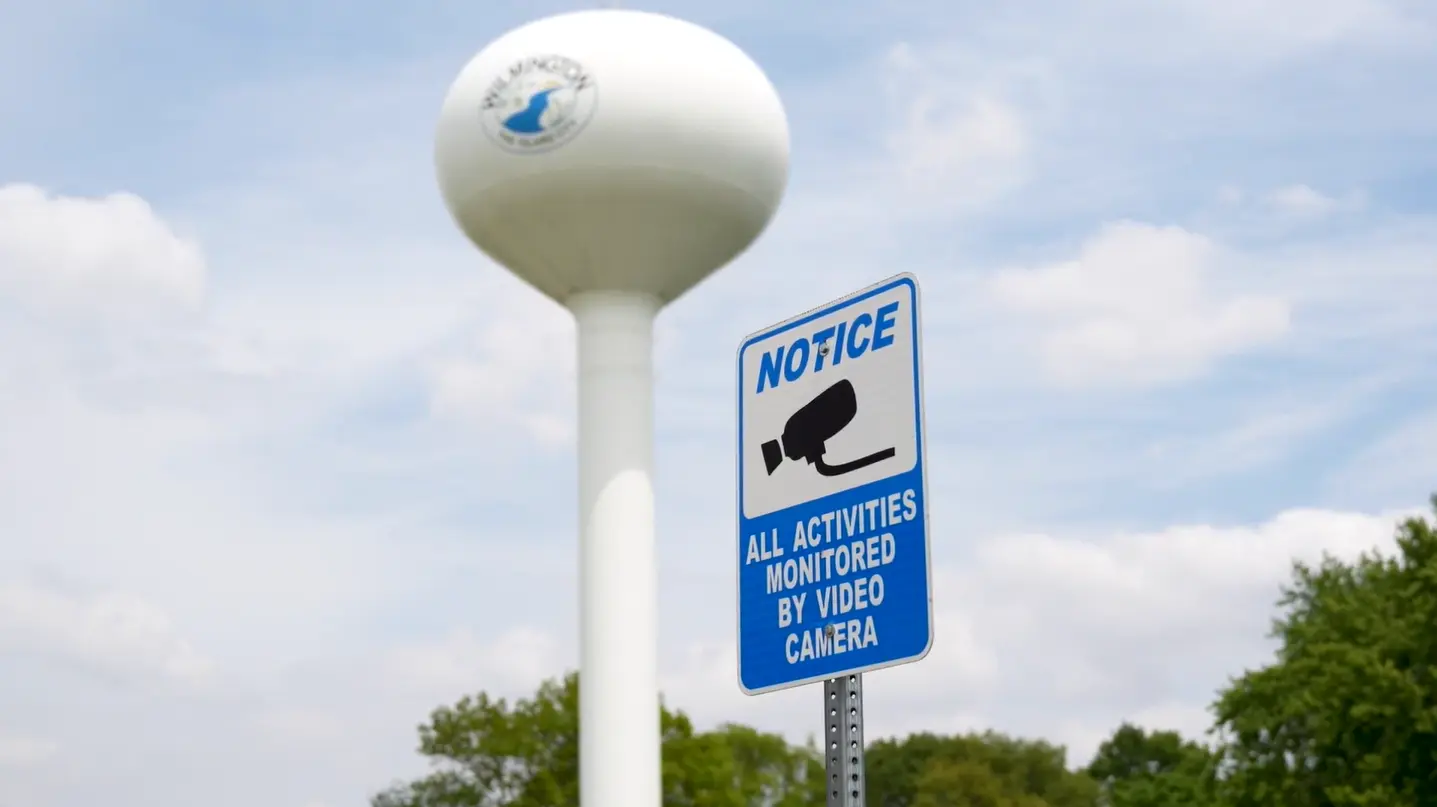
Police Department and City Hall modernized through one coordinated security program.
Modernizing Municipal Security Without Interrupting Municipal Service
Wilmington needed more than a camera replacement. It needed a dependable security environment designed around real police operations, public-facing municipal service, controlled access, usable evidence, and long-term ownership.
At the Police Department, the existing camera system was approximately ten years old. Image quality was poor, recorded video was difficult to download and retain, several controlled doors were unreliable, and camera placement left some areas without useful coverage while duplicating views elsewhere.
City Hall also needed more capable security. Obsolete keypad-style door hardware no longer provided the individual control or accountability the City required.
Umbrella approached the work as one municipal security program spanning two different operating environments—not as a collection of cameras and readers.
Watch Wilmington’s Full Security Modernization Story
Police Chief Adam Zink and Deputy Chief Justin Dole explain the failures of the old system, the need for complete coverage and controlled access, and the operational value of the new platform.
Read the accessible chapter transcript
Chapter 1 — Wilmington needed a new municipal security system
Wilmington’s police leadership explains that the City was in urgent need of a replacement. The existing environment was no longer dependable, and Umbrella felt like the right fit. The project introduced better camera coverage and more precise control over access to municipal spaces.
Chapter 2 — Why security matters for Police Departments and City Halls
Municipal security protects more than a building. It supports public employees, police operations, sensitive records, detainee movement, and the people who rely on these facilities every day. Aging cameras, unreliable doors, blind spots, and difficult video workflows consume staff time and weaken accountability.
Chapter 3 — Upgrading Wilmington Police Department and City Hall
Umbrella’s team describes the coordinated upgrade of cameras and electronic access control at both facilities. Existing cameras were replaced with higher-quality devices, additional cameras were added to close blind spots, and exterior perimeter coverage was strengthened.
Chapter 4 — Replacing aging cameras and access-control hardware
City Hall had obsolete keypad-style door hardware. At the Police Department, card readers and locks were not consistently working together. Umbrella introduced individually administered credentials and updated the related access-control infrastructure.
Chapter 5 — Installing around an active Police Department
The Police Department remained operational during installation. Umbrella kept the existing system active while the replacement was installed, worked through finished-ceiling conditions, and coordinated around the needs of the live facility.
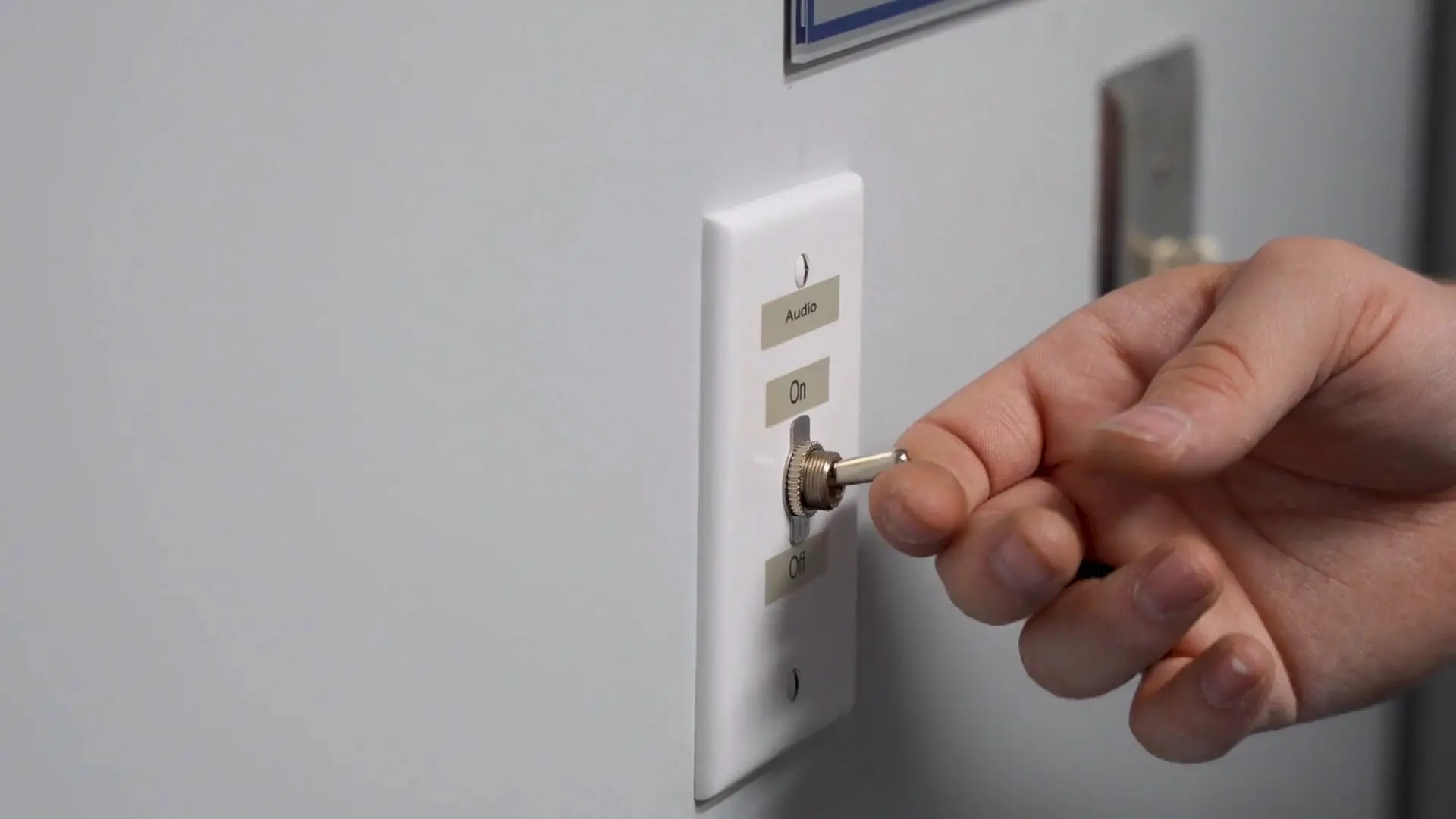
Chapter 6 — Specialty interview-room camera with audio control
An Axis corner-mount camera with integrated audio was installed in an interview room. The application included a physical wall control that allows authorized personnel to suspend audio when required, including during an attorney-client consultation, while maintaining visual context.
Chapter 7 — Chief Adam Zink explains the old system problems
Chief Zink describes an approximately ten-year-old system with poor camera quality, inconsistent operation, video download and retention problems, and several doors that no longer worked. The Department had reached the point where it was continually chasing failures.
Chapter 8 — Evidence-room access control and full coverage
The new system allows the Department to control evidence-room access according to the authorized person and approved time. Camera coverage was redesigned to address blind spots and unnecessary overlap, supporting more complete documentation of custody-related movement.
Chapter 9 — Deputy Chief Justin Dole on better camera coverage
Deputy Chief Dole highlights stronger hallway views and multidirectional coverage. He also explains that the new video process is expected to reduce the time required to locate and retrieve recordings.
Chapter 10 — Faster video retrieval and daily workflow improvement
The project expanded coverage, improved perimeter visibility, replaced obsolete access hardware, and gave the City more control over who may enter sensitive areas and when. The new environment was built to make daily administration and incident review more practical.
Chapter 11 — Why Wilmington recommends Umbrella Security Systems
Chief Zink and Deputy Chief Dole cite communication, technical competence, respectful field execution, clear video, improved usability, and the installation team’s willingness to listen. Chief Zink states that he would “100% recommend Umbrella.”
A Ten-Year-Old System That No Longer Supported Police Work
The Wilmington Police Department’s previous system had reached the point where maintaining it was no longer a responsible long-term strategy.
Chief Adam Zink described cameras with poor image quality that did not operate consistently. Department personnel experienced recurring difficulty downloading and retaining video. Several controlled doors were no longer functioning correctly, leaving employees repeatedly troubleshooting failures rather than relying on the system.
The camera layout also did not match the Department’s operating needs. Some areas lacked an effective view. Other spaces were covered by multiple cameras providing substantially the same perspective.
- Poor and inconsistent image quality
- Difficulty locating, downloading, and retaining footage
- Unmonitored or poorly covered areas
- Redundant camera views in lower-priority locations
- Controlled doors that no longer worked consistently
- Obsolete keypad-style access hardware
- Limited access accountability for sensitive areas
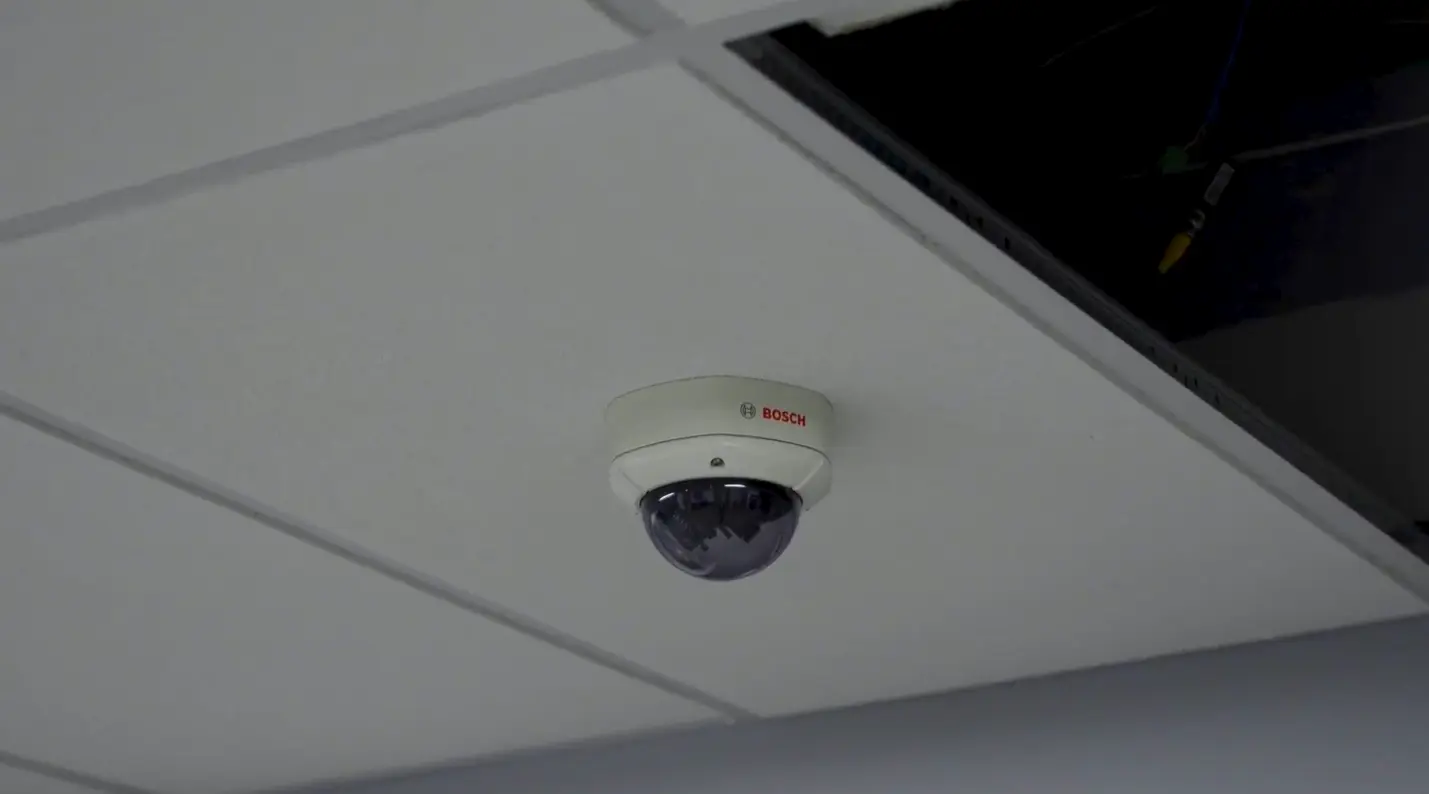
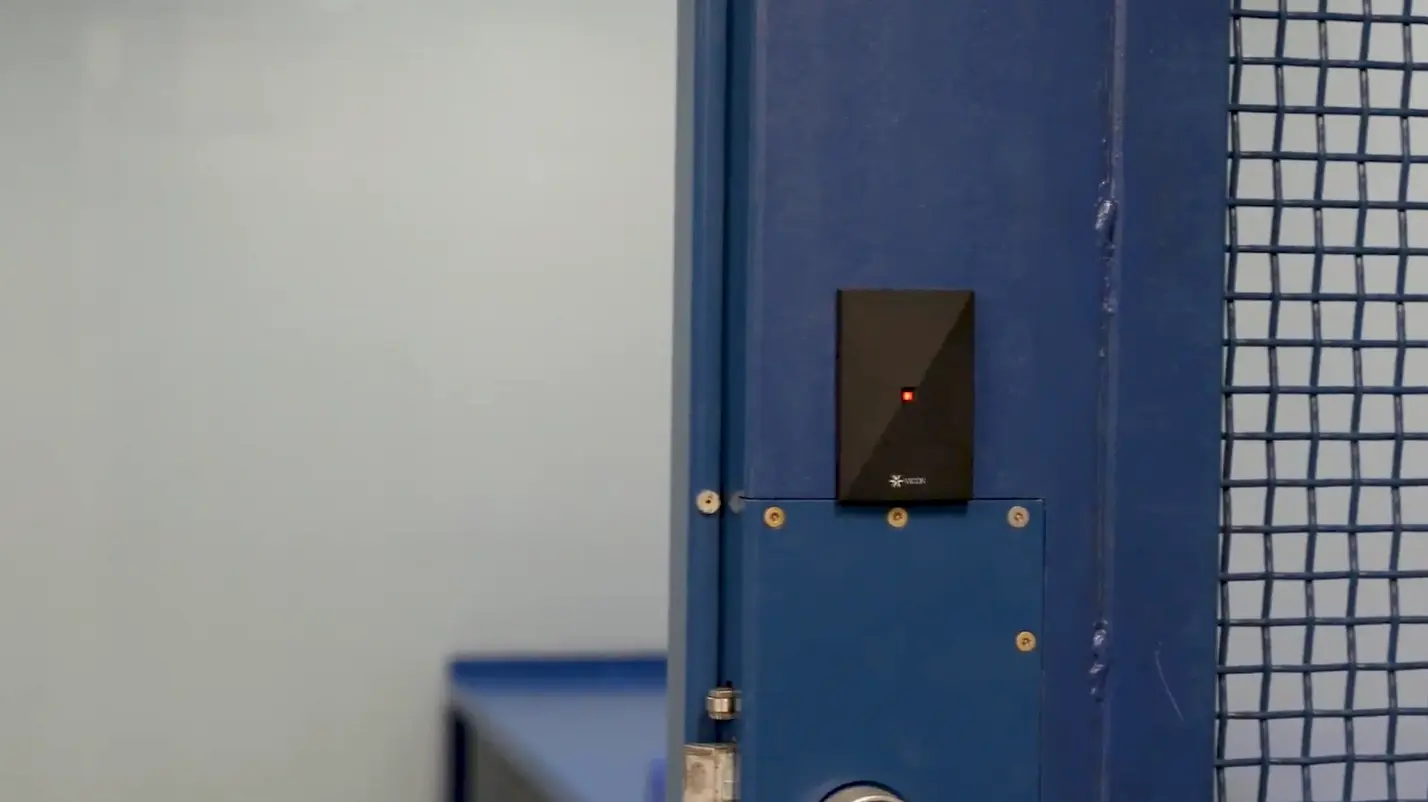
The project replaced aging video and access-control components rather than reproducing the same limitations with newer hardware.
Before
- Aging and unreliable cameras
- Poor image quality
- Difficult video download and retention
- Blind spots and redundant views
- Door-access failures
- Reactive troubleshooting
Required Outcome
- Clearer, more complete video
- Purpose-designed coverage
- More practical video review and export
- Individually administered credentials
- Controlled access to sensitive areas
- Supportable long-term architecture
10+
Selected Through Public Bid on Technical Value—Not Lowest Price
Wilmington conducted a formal competitive public RFP covering the design, supply, installation, and ongoing service of the security systems at both facilities. More than ten qualified vendors competed for the work.
Umbrella was selected as the top-ranked proposer.
Umbrella’s proposal was not the lowest-priced submission. Wilmington selected Umbrella based on the strength of its technical approach, overall project value, relevant experience, and ability to provide responsive local service.
- Coverage aligned to operational risk
- Migration planning for an active Police Department
- Police-specific engineering applications
- Usable system administration and training
- Local service accountability after commissioning
Municipal procurement lesson: The lowest initial price and the strongest long-term value are not necessarily the same proposal.
One Municipal Program, Two Different Operating Environments
A Police Department and City Hall should not receive identical security designs simply because they are administered by the same municipality.
On-Premises Video
Wilmington preferred local control over primary recordings rather than dependence on a closed-cloud-only surveillance environment.
Purpose-Selected Cameras
Fixed, panoramic, multidirectional, detention-grade, audio-capable, and exterior cameras were selected for different visual tasks.
Network Access Control
Controllers, contactless credentials, keypad-capable readers, and electronic hardware created person- and door-specific administration.
Lifecycle Support
Firmware, storage, recording health, access hardware, user administration, and support were included in the long-term plan.
AXIS Camera Station Pro
AXIS Camera Station Pro provided the video-management foundation, supported by on-premises recording infrastructure. Authorized City personnel can manage live and recorded video locally while maintaining a path to incorporate compatible devices where appropriate.
The platform also supports unified access control, allowing authorized users to associate access activity with relevant video during incident review.
Axis represents its portfolio as compliant with the procurement restrictions in NDAA Section 889. The public case study does not disclose Wilmington’s network topology or make a blanket claim that the complete environment is “CJIS compliant.”
Technical context: AXIS Camera Station Pro and Axis NDAA statement.
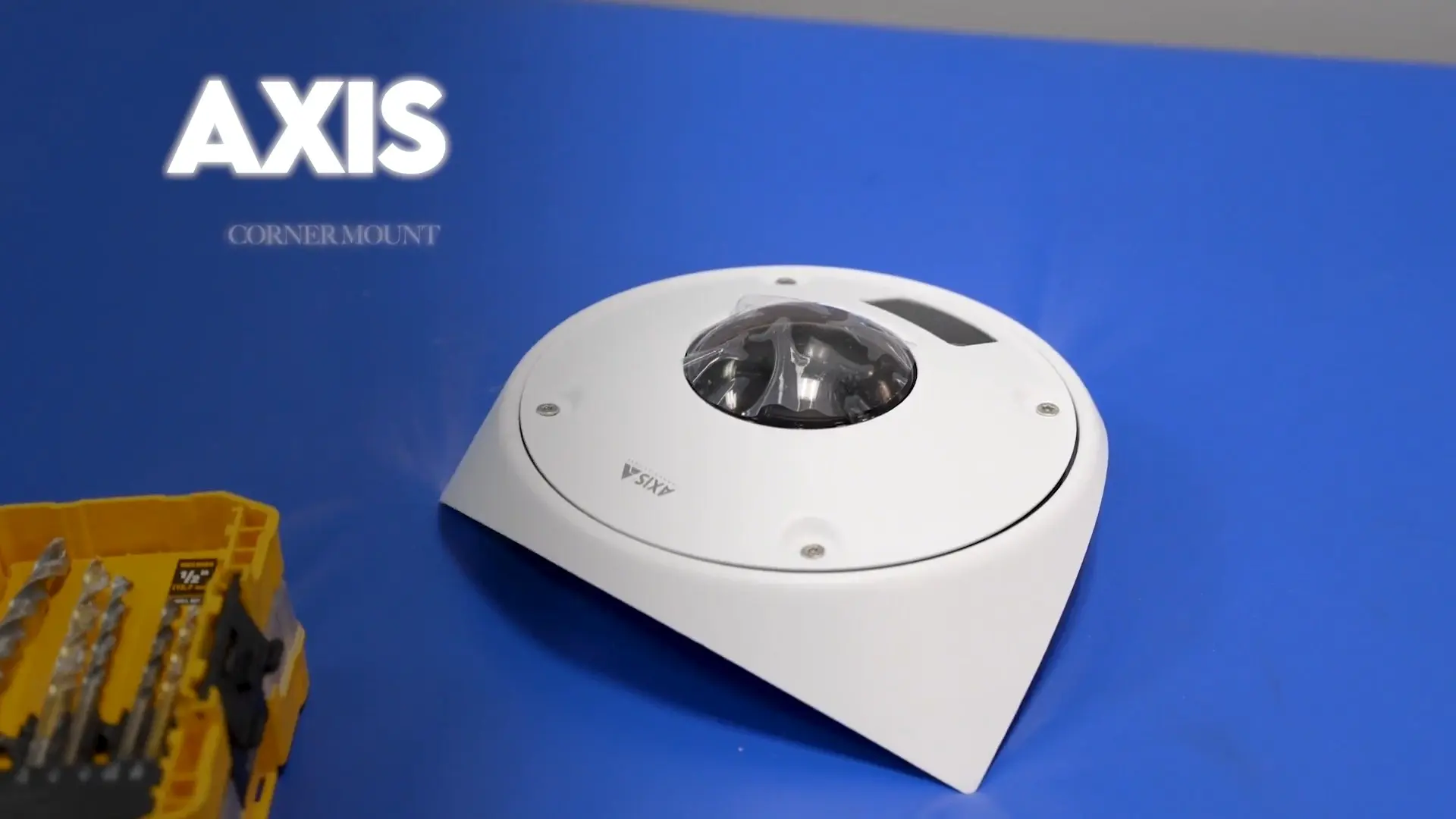
Clearer Coverage, Controlled Access, and More Usable Video
Umbrella replaced the Police Department’s aging video-surveillance and access-control infrastructure with a coordinated Axis-based system.
Existing camera locations were evaluated rather than automatically copied. New views addressed known blind spots, improved exterior coverage, and used panoramic or multidirectional technology where more than one direction needed to be captured from a single installation point.
- Higher-quality video
- More complete hallway and perimeter coverage
- Better visual continuity in custody-related areas
- Fewer unnecessary overlapping views
- Easier access to recorded video
- Modern electronic credentials
- Door-specific and user-specific permissions
- A supportable recording and management platform
Explore the broader planning principles behind commercial video-surveillance systems.
Restricting Sensitive Access by Person and Time
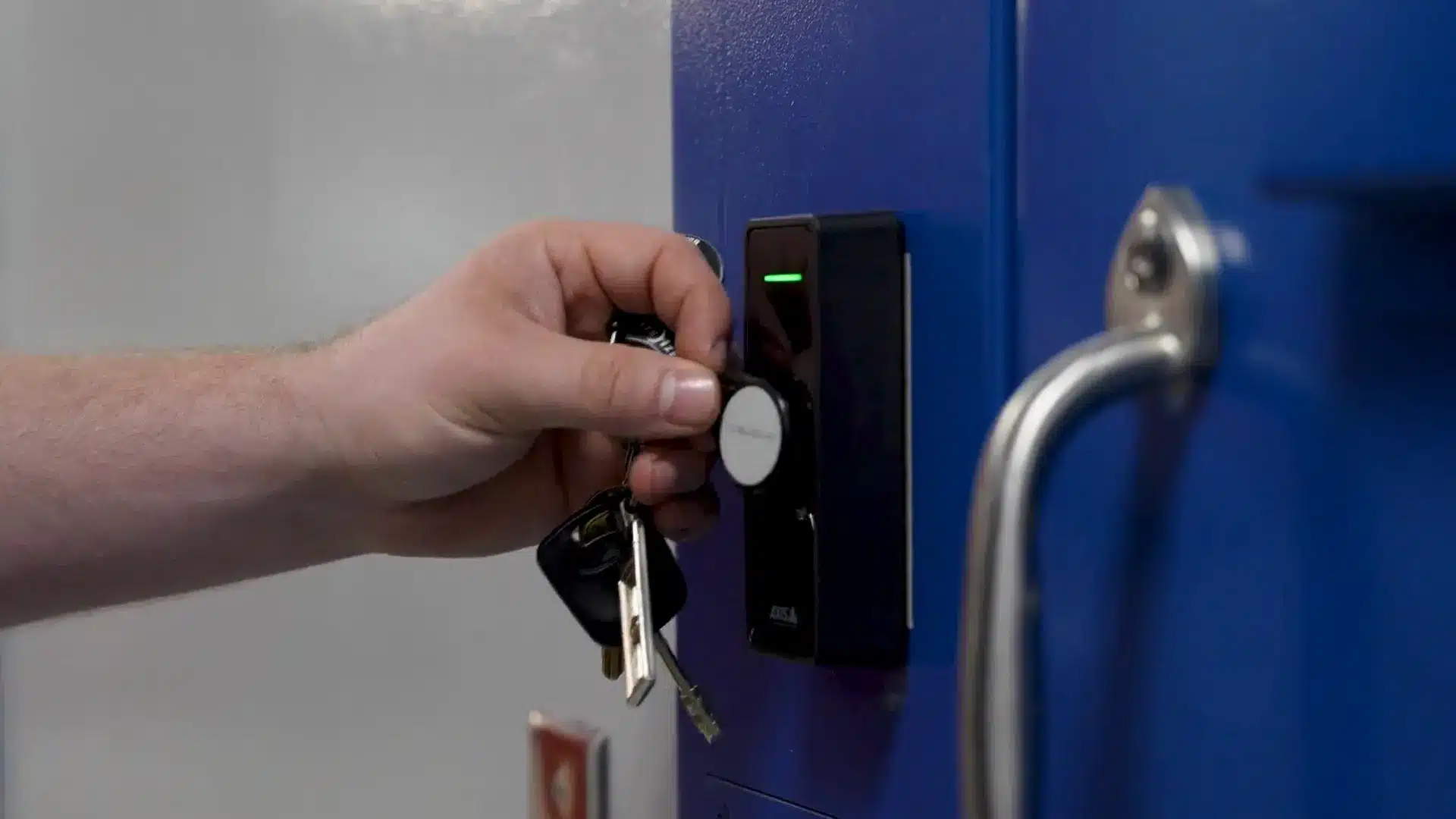
The evidence room required more than a locked door.
Access needed to be limited to specifically authorized personnel and administered according to who was permitted to enter and when that access was appropriate.
The new system supports employee-specific credentials, door-specific permissions, schedules, access-event history, and faster removal of permissions following personnel changes.
Electronic access records strengthen access accountability, but they do not by themselves establish or guarantee evidentiary chain of custody. Departmental policy, evidence-handling procedures, user administration, and human compliance remain essential.
See how Umbrella plans commercial access-control systems around real user permissions and facility workflows.

A Complete New Camera and Access-Control Environment for City Hall
City Hall required a different design from the Police Department, but it needed the same professional engineering and long-term support.
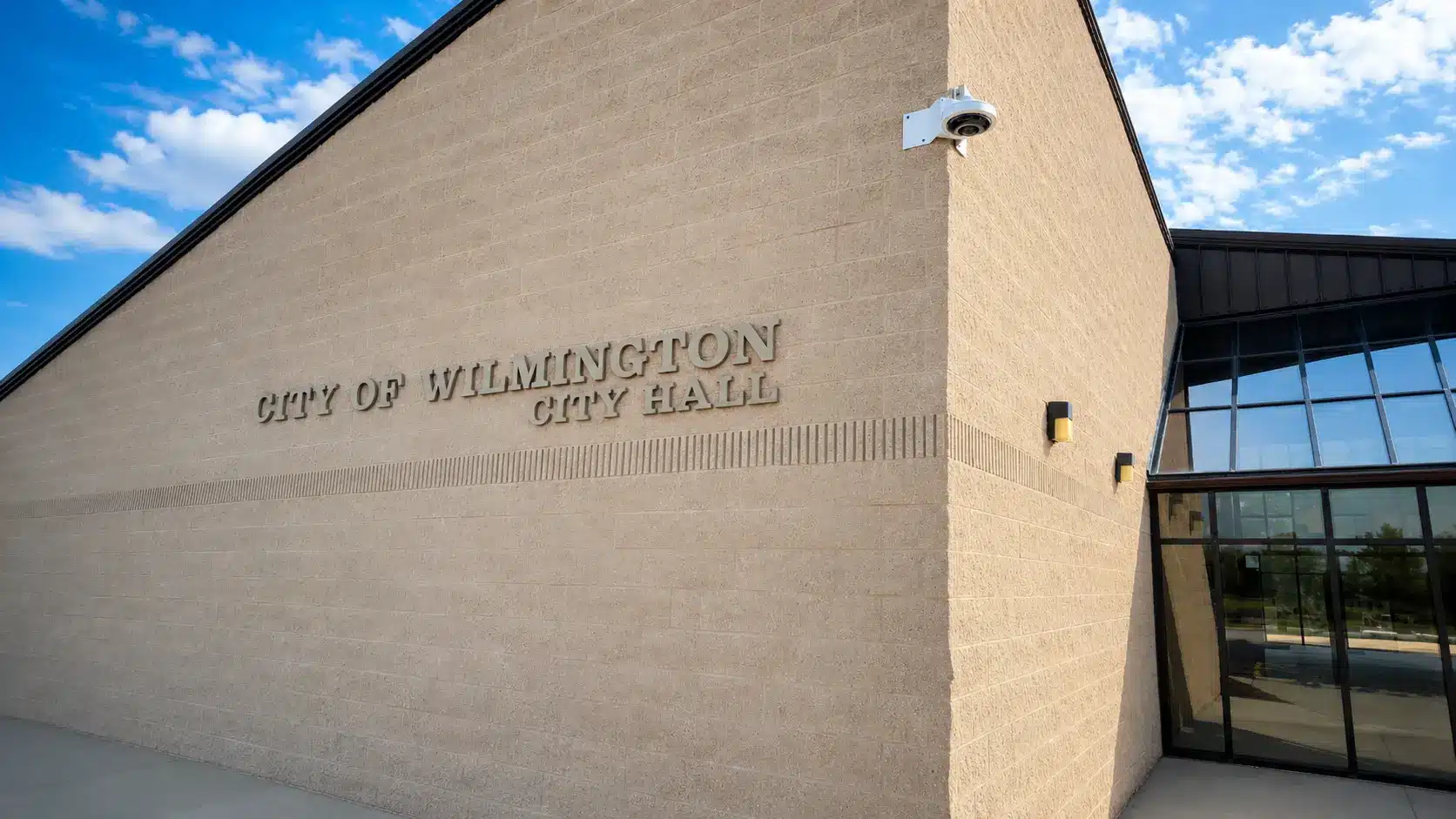
Umbrella installed and commissioned a complete video-surveillance and electronic access-control environment for the municipal building.
- Axis panoramic and multidirectional cameras
- Indoor fixed cameras
- Electronic credential readers
- Network door controllers
- Electronic locking hardware
- On-premises recording infrastructure
- New structured low-voltage cabling
- Programming, user setup, testing, and commissioning
- Staff training and turnover documentation
Panoramic and multidirectional cameras can provide multiple useful viewing directions from one installation point. Learn more about professional commercial camera installation.
Reliable Interview-Room Documentation With Deliberate Audio Privacy Control
Police interview rooms create a distinct engineering requirement: reliable documentation during applicable interviews and a controlled way to prevent the recording of privileged attorney-client communication when required.
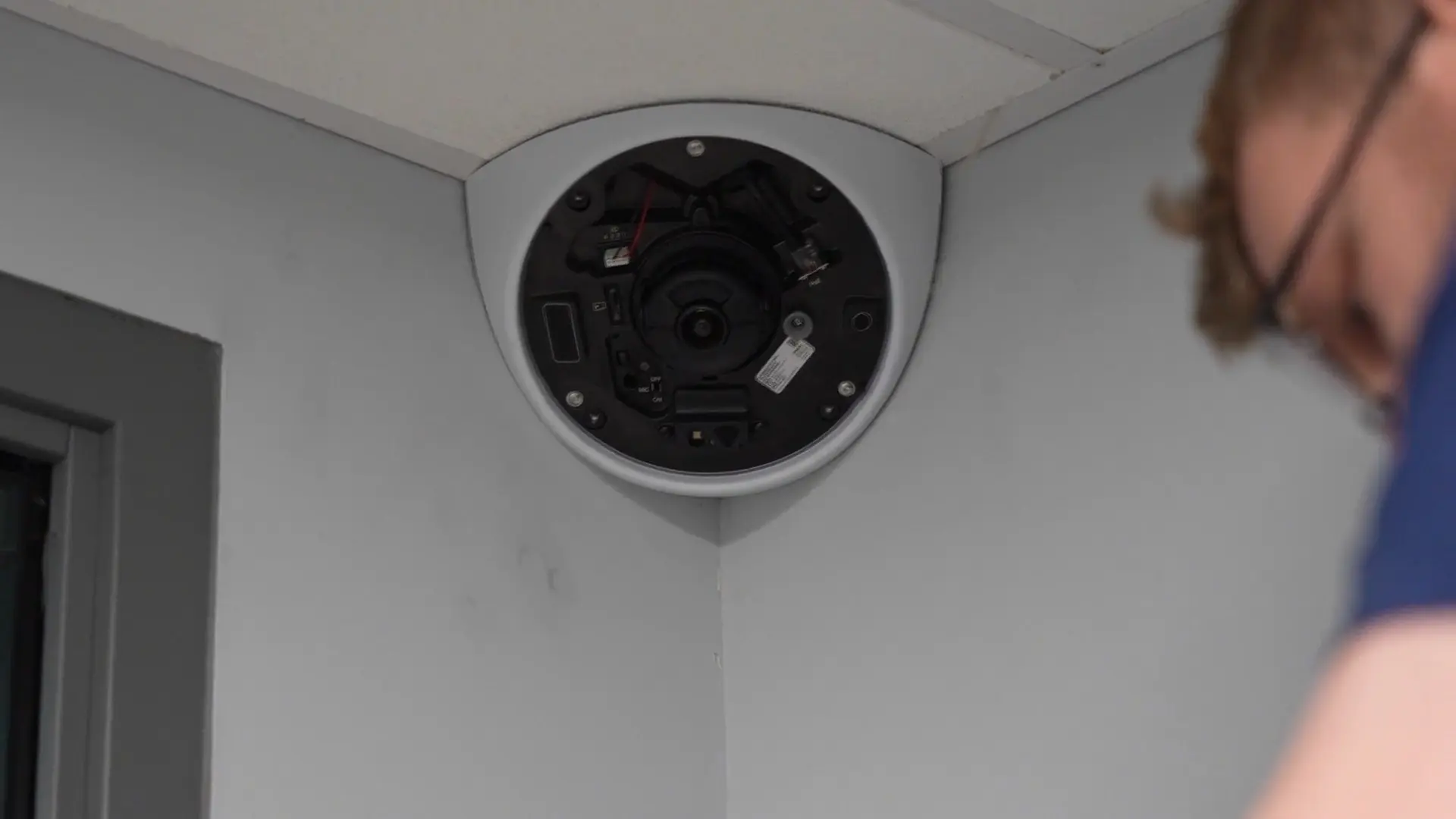
AXIS Q9227-SLV Corner Camera
Umbrella installed a detention-grade corner camera with integrated audio. Its broad corner view and anti-ligature construction are designed for detention and other high-risk environments.
Credential-Restricted Audio Control
Only authorized personnel can operate the physical wall control. When an authorized attorney-client consultation occurs, personnel can intentionally suspend the microphone without relying on an informal software workaround. Video can continue to preserve visual context.
The technology supports Wilmington’s operating process, but departmental policy and legal guidance govern when and how recording controls are used. Review Illinois custodial-interrogation recording law.
A Live Cutover—Not a Shut-Down-and-Rebuild Project
The Wilmington Police Department could not suspend access control or normal operations while its replacement system was being installed.
Umbrella therefore operated the legacy and replacement systems in parallel.
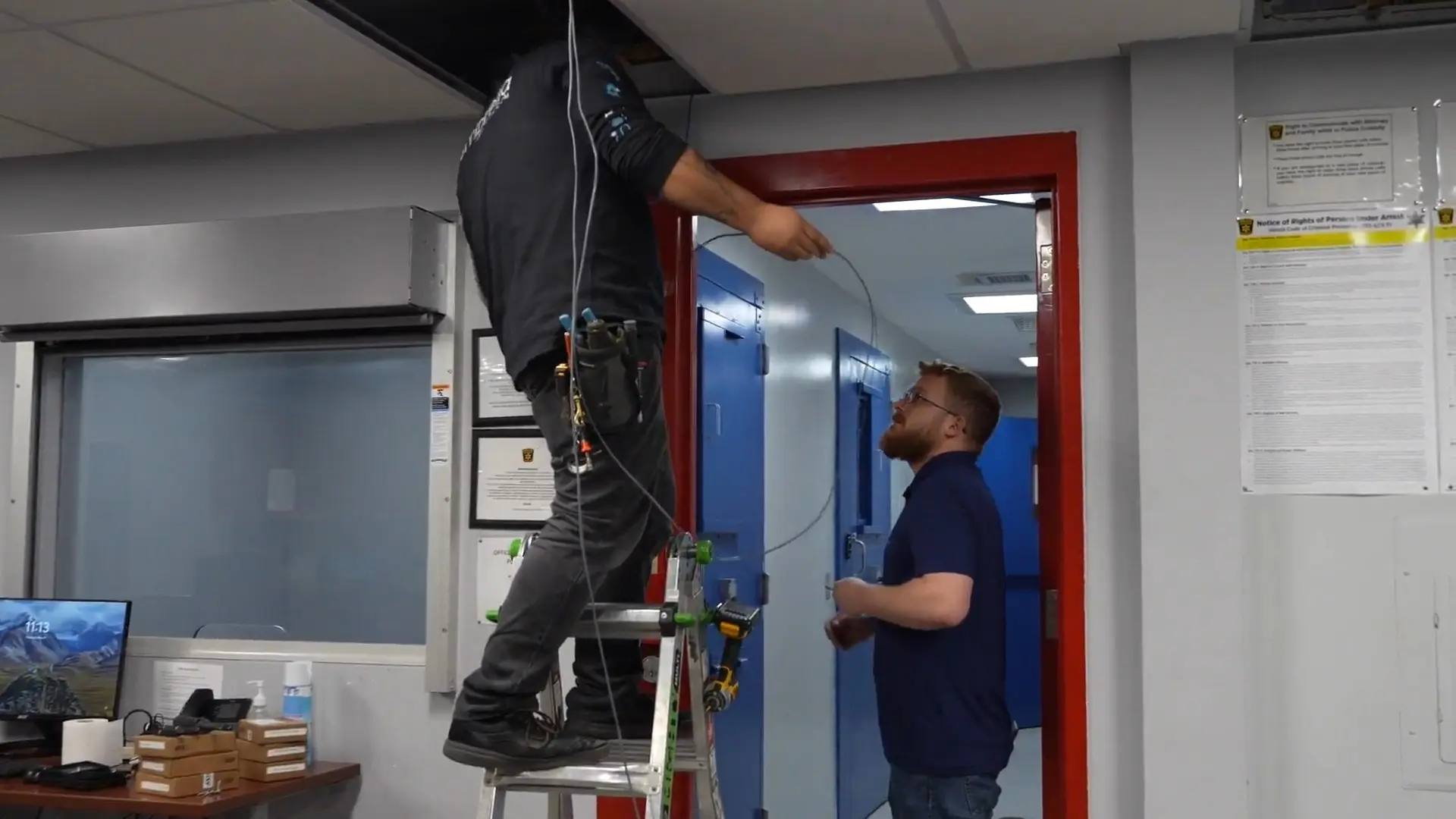
Doors were migrated individually. Existing employee credentials were converted into the new platform rather than replaced with a temporary credential program. New cameras and access points were installed, programmed, tested, and transitioned in controlled phases before corresponding legacy components were retired.
- Employees continued entering authorized areas
- Existing credentials remained usable during conversion
- Individual doors were tested before final cutover
- Camera coverage remained available during installation
- Field issues could be resolved without disabling the entire facility
The objective was not to make an absolute “zero downtime” guarantee. It was to engineer the transition so Wilmington was not left with an avoidable operational gap.
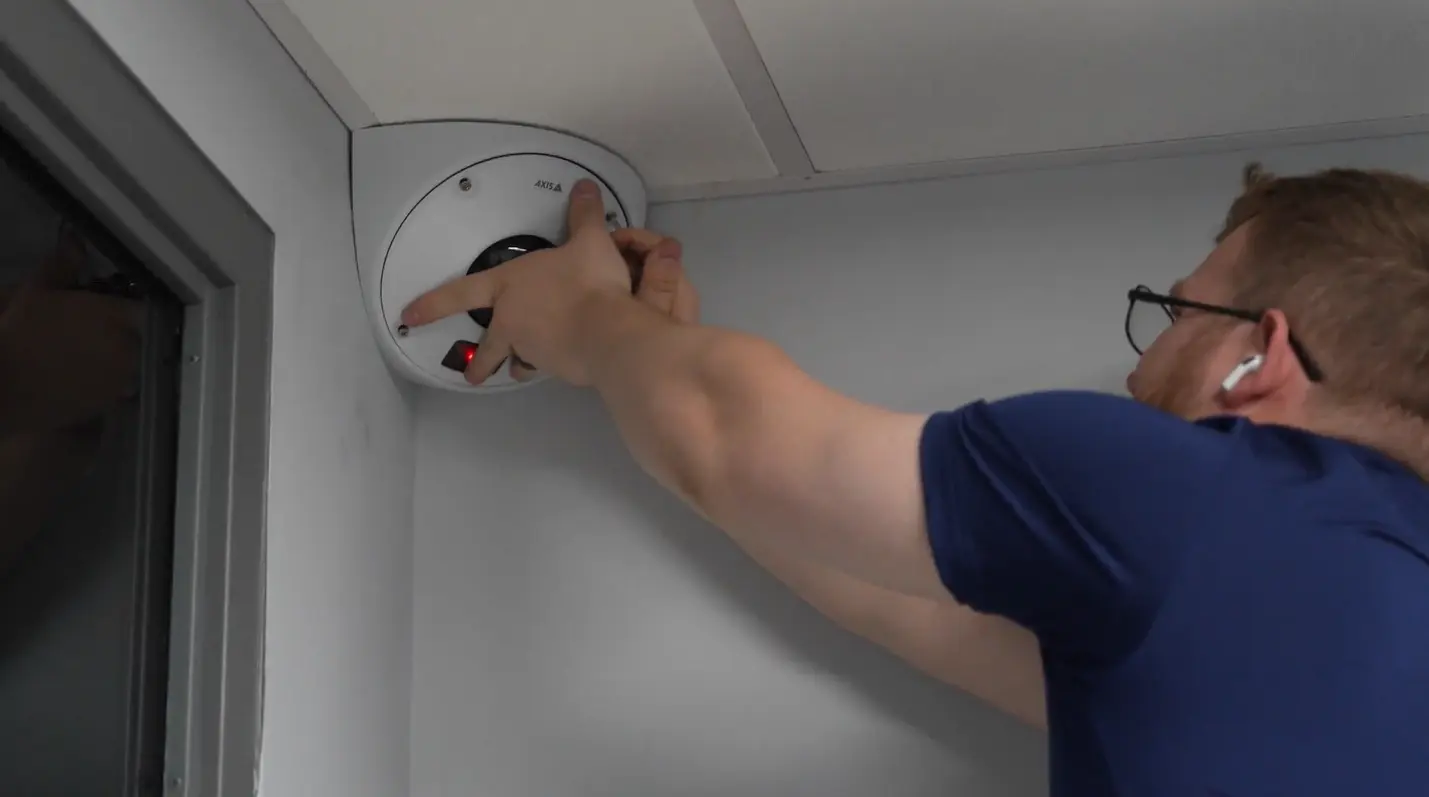

Old and New Coverage Side by Side
In selected locations, replacement devices were installed while legacy coverage remained active. The source image is intentionally displayed at a restrained size because it is a smaller frame and should not be enlarged beyond its useful resolution.
Explore Umbrella’s process for commercial access-control installation, including replacements and phased migrations.
Daily Coordination Inside Active Municipal Facilities
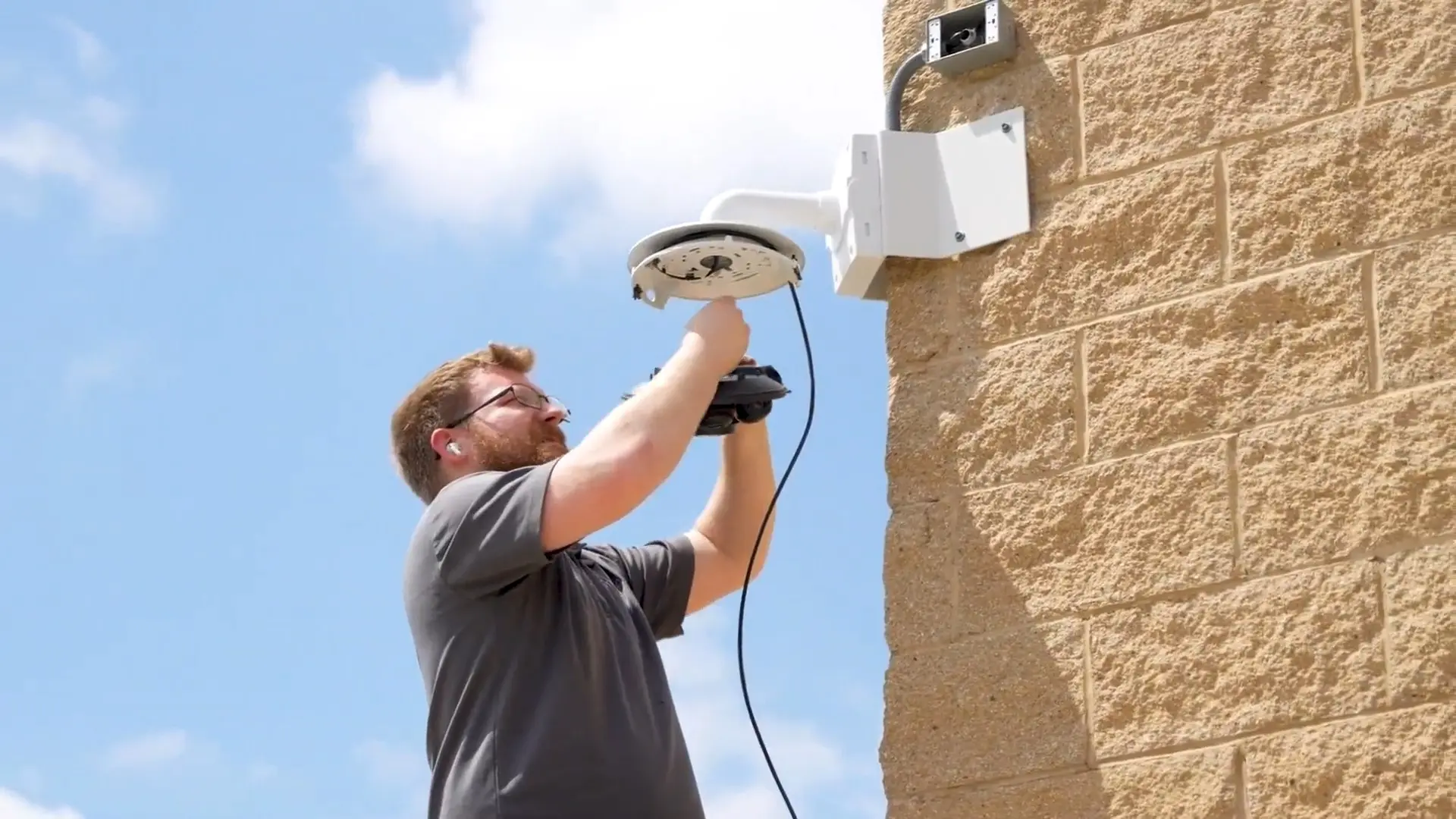
Technical design was only one part of the assignment. The team also had to work around employees, officers, public activity, controlled spaces, finished ceilings, and active law-enforcement operations.
Zach Brummel served as project manager and system engineer, leading engineering, field decisions, commissioning, and customer coordination.
Jeff Emanuelson and Art Arredondo completed the field installation, including cabling, camera mounting, access hardware, termination, testing, and troubleshooting.
Daily Coordination
Progress updates, next-step planning, and direct communication with Police and City personnel.
Operational Accommodation
Work was sequenced around occupied spaces, police schedules, and active incidents.
Controlled Installation
Finished-ceiling routes, sensitive work areas, and device-by-device testing were handled deliberately.
Credential Conversion
Existing credentials were transferred into the new environment to support a seamless transition.
Training and Turnover
City personnel received training on system operation, user administration, and video export.
Ahead of Schedule
The principal modernization was completed ahead of the planned project schedule.
What Changed for Wilmington
The strongest result was not a larger equipment list. It was a security environment that better supports the people responsible for using, administering, and maintaining it.
Clearer, More Complete Video
Improved image quality, stronger exterior visibility, better hallway perspectives, and more deliberate coverage of operational areas.
Better Footage Workflows
Authorized users have a more practical way to locate, review, and export recorded video without publishing an invented time-savings percentage.
More Precise Access Governance
Permissions can be administered according to the person, door, and approved schedule rather than relying solely on shared codes or keys.
Coverage Aligned to Risk
The design corrected blind spots while reducing unnecessary overlap and repeating only the camera locations that still made operational sense.
A More Manageable System
City personnel received training on camera operation, user administration, and video export so the system could support daily use.
Long-Term Accountability
A five-year service relationship creates recurring responsibility for inspections, updates, recording health, support, and reporting.

The quality is top-notch. Everything has been exactly as we expected so far, or even better. I would 100% recommend Umbrella.Chief Adam Zink
Wilmington Police Department

They know what they’re doing.Deputy Chief Justin Dole
Wilmington Police Department
A Service Relationship—Not a Handoff at Commissioning
Municipal security infrastructure continues to change after installation. Credentials change, firmware updates are released, storage utilization evolves, cameras can be obstructed or damaged, and door hardware wears.
- Scheduled camera and recording-system maintenance
- Periodic access-control inspections
- Software and firmware management
- Recording and storage verification
- Remote support within the agreement terms
- Maintenance reporting following service visits
- Review of readers, controllers, and door hardware
- Documentation of discovered recording or camera issues
A Successful Project Became a Broader Public-Safety Relationship
Wilmington’s relationship with Umbrella has continued beyond the original Police Department and City Hall modernization.
The City and Umbrella have begun additional public-safety technology initiatives involving remote license-plate recognition, solar-powered camera systems, rapid-deployment camera systems, mobile surveillance applications, compatible existing-camera integration, and additional AXIS Camera Station Pro licensing.
These initiatives are underway and are not presented as completed case-study outcomes. Their significance is more fundamental: Wilmington trusted Umbrella with additional work after experiencing the design, installation, communication, and support delivered during the initial project.
What Other Municipalities Can Learn From Wilmington
The Wilmington project offers practical lessons for Police Departments, City Halls, public works facilities, and other government buildings preparing to replace aging security infrastructure.
Evaluate Usable Coverage
Replacing every old camera in the same position may reproduce the same blind spots, poor angles, and redundant views.
Compare Overall Value
Engineering, migration, training, serviceability, support, and lifecycle cost matter alongside initial price.
Engineer the Migration
The legacy-to-new-system transition should be part of the design—not left to field improvisation.
Separate Facility Use Cases
Police operations, public entry, records, evidence, interviews, administration, and staff circulation require different controls.
Treat Access as Governance
A complete access system includes credentials, roles, schedules, event history, door hardware, and operating procedures.
Test Retrieval Workflows
Ask vendors to demonstrate how employees will locate, review, retain, and export footage—not only the live image.
Plan for Support
Grant or capital funding may buy the initial system, but the municipality still needs a long-term operating plan.
Protect Sensitive Details
Public documentation can explain value without publishing camera maps, access schedules, network topology, or retention settings.
For broader guidance across Police Departments, City Halls, public works facilities, and multi-building agencies, review Umbrella’s government and municipal security systems planning page.
Security Modernization Checklist
Use this checklist before issuing an RFP, requesting proposals, or approving a Police, City Hall, or public-building security project.
A professionally designed downloadable PDF can be added after the page’s visual language is approved.
- Document failed, unreliable, or unsupported equipment
- Map known blind spots and redundant camera views
- Identify the incidents the video must support
- Define retention, review, and export requirements
- Inventory doors, locks, readers, keys, and credentials
- Identify evidence, records, IT, and administrative areas
- Define user roles and access schedules
- Choose on-premises, cloud, or hybrid intentionally
- Document network and cybersecurity responsibilities
- Define ownership of recordings and admin credentials
- Require a legacy-to-new-system migration plan
- Require end-user and administrator training
- Require final drawings and turnover documentation
- Evaluate warranty, maintenance, and response capability
- Identify grant and procurement deadlines
- Plan for future expansion and compatible devices
Municipal Security System Questions
These answers address common planning questions raised by Police Departments, City Halls, and public agencies evaluating a modernization.
Can a Police Department replace its security system without shutting down?
Yes, but the migration must be engineered before installation begins. At Wilmington, the old and new systems operated in parallel, doors were migrated individually, and existing credentials were converted into the replacement platform. The goal was to avoid leaving the facility with an operational gap.
What should a municipality evaluate beyond the lowest bid?
Evaluate technical design, coverage, access-control architecture, migration planning, cybersecurity responsibilities, training, documentation, warranty, service capability, local response, system ownership, and lifecycle cost—not only initial equipment price.
Why did Wilmington use on-premises video storage?
Wilmington preferred local control over its primary recordings and did not want the core system to depend exclusively on a closed-cloud platform. On-premises storage also requires responsible server, storage, firmware, backup, and user administration; it is not automatically the correct model for every municipality.
How can access to an evidence room be controlled?
Electronic access control can assign permission to individual employees, designated doors, and approved schedules. Event history can provide additional accountability. The system supports evidence security but does not replace chain-of-custody policy or evidence-handling procedures.
Can interview-room audio be turned off while video continues?
Yes. Wilmington’s application uses a credential-restricted physical control that allows authorized personnel to suspend the microphone when appropriate, including during privileged attorney-client consultation. Video can continue to preserve visual context.
Can video surveillance and access control work together?
Yes. A coordinated platform can associate access activity with relevant video, helping authorized users visually review a door event. Exact capabilities depend on the cameras, controllers, readers, software, permissions, and network architecture.
What does a municipal security service agreement cover?
Wilmington’s five-year agreement includes scheduled camera and recording-system maintenance, access-control inspections, firmware and software management, storage verification, remote support, and maintenance reporting. New equipment and expansions are handled separately.
Can grant funding be used for municipal cameras and access control?
Potentially. Wilmington’s public grant schedule identifies Illinois DCEO funding for security cameras and electronic access control. Eligibility, matching requirements, procurement rules, deadlines, and approved expenses vary by program. Municipalities should confirm requirements with the awarding agency and their own legal and procurement advisers.
Discuss a Similar Municipal Security Project
A Police Department, City Hall, public works facility, municipal campus, or other government building should not be designed around a generic camera package.
Umbrella Security helps public-sector organizations evaluate existing conditions, define operational requirements, plan a responsible migration, and build supportable video-surveillance and electronic access-control systems.
- Current system failures and blind spots
- Controlled-door and sensitive-area requirements
- Interview-room and evidence-area applications
- On-premises, cloud, or hybrid architecture
- Public RFP and grant timelines
- Phased implementation and long-term service
Tell Us About Your Municipal Project
In the message, include your municipality or agency, role, facility type, current system concern, procurement stage, and desired timing.
"*" indicates required fields