
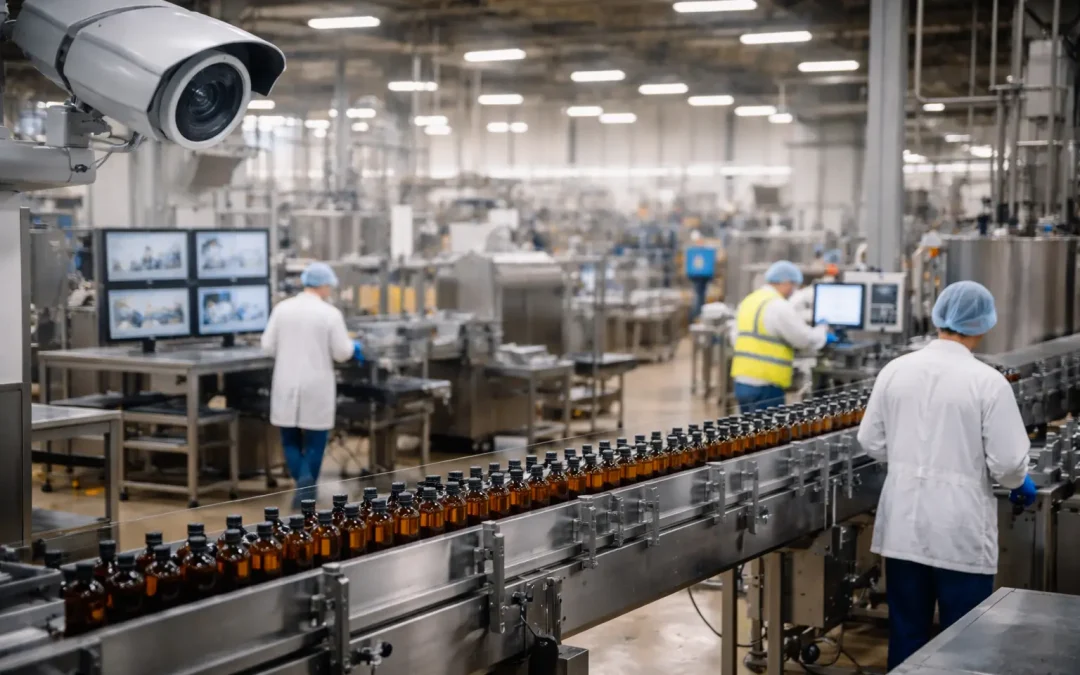
Food Manufacturing Security Case Study
Food Manufacturing Security Case Study: How Nielsen-Massey Vanillas Modernized Security Across Two Buildings
This food manufacturing security case study shows how Nielsen-Massey Vanillas replaced outdated systems with a stronger, easier-to-manage deployment covering access control, video surveillance, intrusion alarm coverage, and humidity monitoring. The result was better day-to-day visibility, stronger protection for high-value vanilla inventory, better emergency accountability, and much easier mobile oversight for leadership.
Food manufacturer producing premium vanilla products.
Outdated tools were expensive to maintain and harder to use.
Access control, video, alarm, and humidity monitoring.
Better accountability, stronger visibility, and mobile access.
Watch the case study
Food Manufacturing Security Case Study Video
Watch the full Nielsen-Massey story to see how outdated systems were replaced with integrated access control, video surveillance, alarm coverage, and humidity monitoring across two buildings.
- See the full deployment story
From vendor selection through rollout across two facilities. - Hear the customer directly
Duke Seaton explains the operational pain points and why Umbrella won the project. - Understand the differentiator
This project went beyond cameras into humidity monitoring and emergency accountability. - Validate the outcomes
Mobile visibility, stronger control, and more peace of mind.
Prefer the written version? The full challenge, solution, and results are outlined below.
Challenge
Food Manufacturing Security Case Study: Replacing Outdated Security Systems
Duke Seaton, Senior Logistics Manager at Nielsen-Massey Vanillas, described the previous setup as outdated, increasingly expensive to maintain, and less practical for the team to use every day. That is a common pattern in older manufacturing security systems: each layer exists, but the total experience is fragmented, reactive, and slow.
This food manufacturing security case study matters because it shows that the real problem was broader than cameras. The plant needed better access control, stronger video visibility, better alarm awareness, and environmental data that could help protect valuable materials. In food operations, those factors overlap with uptime, inventory protection, and response planning.
The team was not just shopping for hardware. They were replacing friction, uncertainty, and delayed visibility with a more usable system.

“A lot of our systems were outdated... we were just looking for a new system, something a little bit easier for use.”
Duke Seaton, Senior Logistics Manager, Nielsen-Massey Vanillas
Vendor selection
Food Manufacturing Security Case Study: Why a Local Integrator Won the Project
The decision did not come down to hardware alone. Nielsen-Massey wanted a local partner that felt accountable, hands-on, and easier to work with than a larger provider. That service model matters in manufacturing because system uptime, troubleshooting speed, and installation quality affect operations quickly.
That is also why Umbrella positions projects like this around security system integration services rather than one-off product installs. For facilities evaluating resilience and site hardening more broadly, CISA physical security guidance is a relevant external reference.
Local support
Direct access to the people responsible for installation and follow-up support.
Hands-on process
Better communication during deployment and better confidence after go-live.
“I like that you guys were local... it’s just a much more hands-on approach. I feel like I’ve been taken care of.”
Duke Seaton, Senior Logistics Manager, Nielsen-Massey Vanillas
Integrated solution
Food Manufacturing Security Case Study Solution: Four Systems Across Two Buildings
Umbrella Security deployed four connected layers across two separate buildings. This food manufacturing security case study is especially useful for operators who need more than one security tool working in isolation. Each layer solved a specific problem, but the real advantage came from bringing those layers together into one stronger operating environment.
Video surveillance
Commercial security camera systems strengthened daily monitoring and event review.
Humidity monitoring
Commercial air quality and humidity sensors added an operational risk-mitigation layer.


The differentiator
Food Manufacturing Security Case Study: Humidity Monitoring for High-Value Inventory
One of the strongest parts of this food manufacturing security case study is that security extended beyond access and surveillance. Nielsen-Massey used humidity monitoring to help protect extraction beans, a costly commodity that can be affected when environmental conditions drift. That shifted the deployment from a simple security upgrade to a broader operational protection system.
That distinction is important for food manufacturers. When environmental monitoring supports faster action, teams can protect materials, reduce avoidable exposure, and make smarter decisions about where product should be stored or moved. For operations reviewing process and facility controls, the FDA’s resources on preventive controls for human food and current good manufacturing practices are useful external references.
“It’s really to help monitor our extraction beans... it’s a very costly commodity for us.”
Duke Seaton, Senior Logistics Manager, Nielsen-Massey Vanillas
Emergency visibility
Food Manufacturing Security Case Study: Emergency Accountability and Occupant Visibility
One of the clearest post-installation gains was faster accountability during an evacuation or emergency. Duke explained that he can now produce an on-the-spot log sheet showing who is in the building and who is not. In a facility with alcohol on site, that kind of visibility matters during a fire or urgent response event.
This is where access control delivers value beyond locking doors. Better data retrieval supports better decisions, especially when paired with emergency mass notification systems and a stronger response plan. For facilities formalizing procedures, OSHA’s resources on emergency action plans and evacuation planning are worth reviewing.
Usability
Food Manufacturing Security Case Study: Mobile Management Made the System Easier to Use
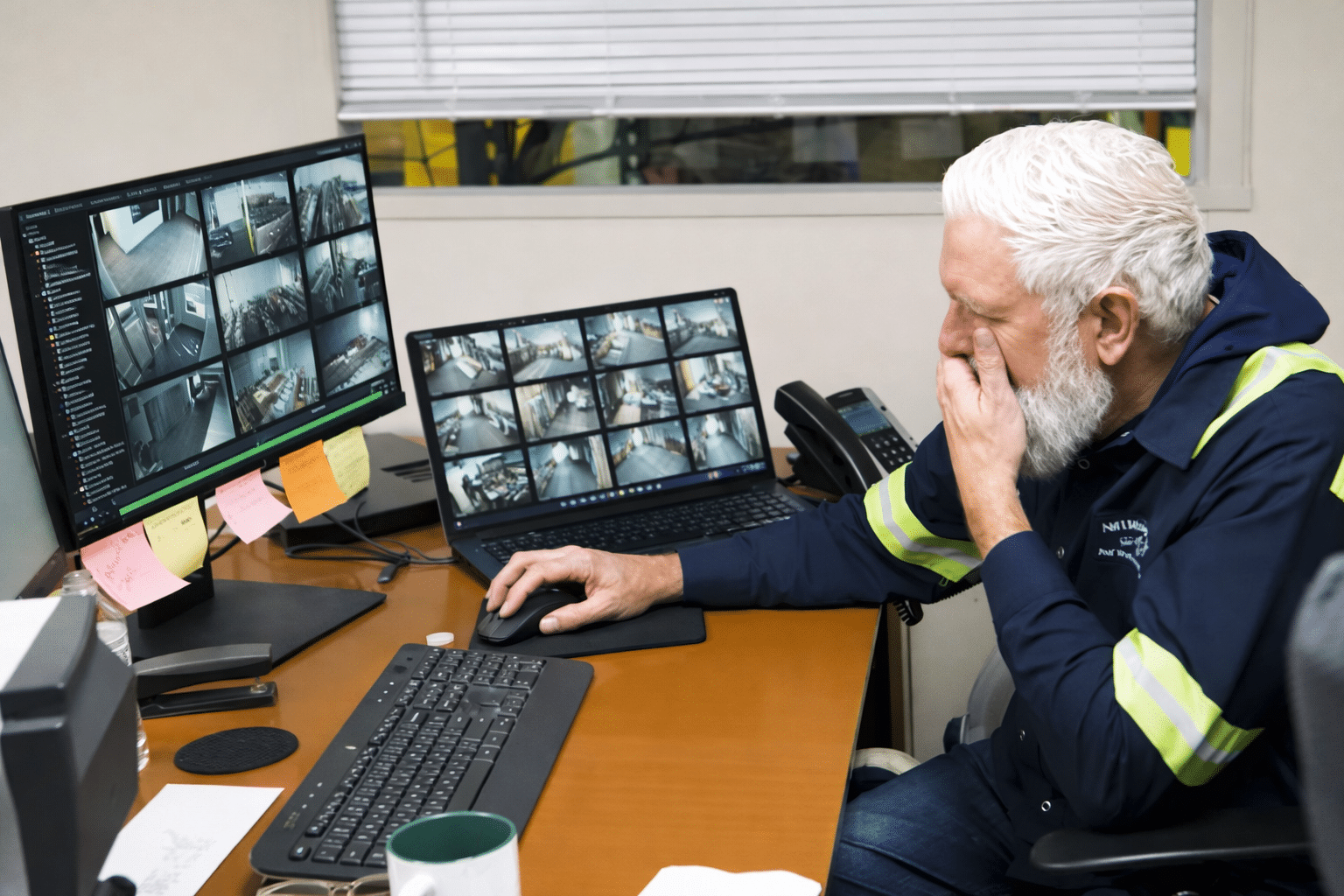
Duke emphasized that the upgraded system was much easier to use because the tools were available on his phone. The humidity app, the access control platform, and the broader system alerts were all more accessible. That matters because even a well-designed deployment underperforms when the daily user experience is clunky.
The most effective implementations combine strong technology with practical day-to-day access. That is true whether a plant is evaluating access control installation, security camera installation, or alarm system installation as part of a larger modernization effort.
The easier a system is to access, the faster leaders can respond to alerts, review activity, and make operational decisions.
Rollout highlights
Food Manufacturing Security Case Study Timeline
Legacy pain became too expensive to ignore
Rising upkeep costs and harder day-to-day use pushed the team to evaluate a new path.
Umbrella was selected for a more hands-on model
Local service, accountability, and direct interaction helped separate Umbrella from larger providers.
Four services were deployed across two buildings
Access control, video surveillance, alarm coverage, and humidity monitoring were installed as one coordinated project.
Operations gained better visibility and control
The upgraded environment improved inventory awareness, emergency accountability, and mobile access.
Outcomes
Food Manufacturing Security Case Study Results: Better Visibility, Better Control, and Peace of Mind
When asked about measurable results, Duke’s answer was simple: peace of mind. In practice, that meant this food manufacturing security case study produced better awareness of what was happening across the buildings, more insight into environmental changes, faster access to occupancy information, and a smoother experience for day-to-day management.
Modernized security stack
Legacy tools were replaced with a more usable and more cohesive operating environment.
Operational insight
Humidity changes and unusual conditions became easier to detect and manage over time.
Faster decision support
Occupancy visibility and mobile access made urgent response easier for leadership.
“Peace of mind. Honestly, peace of mind.”
Duke Seaton, Senior Logistics Manager, Nielsen-Massey Vanillas
FAQ
Food Manufacturing Security Case Study FAQ
What security systems are most important in a food manufacturing facility?
How can humidity monitoring help a food manufacturer?
Can access control improve emergency accountability?
Why do manufacturers replace outdated security systems?
What are the benefits of managing security systems from mobile apps?
Why choose a local security integrator for a food manufacturing facility?
Next step
Planning a Security Upgrade for a Manufacturing or Food Processing Facility?
If your current environment feels outdated, fragmented, or difficult to manage, Umbrella Security can design a more practical solution around how your facility actually operates.
Talk to Umbrella Security- Access control, video, alarm, and environmental monitoring
- Manufacturing and food processing security planning
- Local support with integrated deployment experience